Live Paragonah listings
Paragonah homes for sale
Straight from the MLS, newest first, from every brokerage that takes part.
Browse Paragonah homes by part of town
Pick a part of town, or open the map and draw your own search.
The newest Paragonah homes for sale
New listings show up here the day they go live. Homes that sell or go under contract drop off. Few homes list at a time, so some weeks the list is short. Listing information comes from the local MLS and is deemed reliable but not guaranteed.
See a home you like? Save it with a free account, and get an email if its price changes.
Create my free accountThe market in numbers
What does a home in Paragonah cost?
Short answerThe Census puts the typical Paragonah home value at about $244,800. That is what owners say their homes are worth, not a sale price. Here the land, the water and the septic matter as much as the house does.
Paragonah is not one of my market report towns, so there is no quarterly median here. These numbers come from public records: the U.S. Census, Iron County parcel records and the Utah State Tax Commission. They move slower than sale prices, but anyone can check them.
The Census counts about 300 homes in Paragonah. Few are for sale at a time, often only a handful, so one or two unusual sales can swing the average. About 96% of the homes are detached houses and about 4% are mobile homes. The median home was built in 1973, and about 31% date from 1939 or earlier. About one home in ten is held for seasonal or occasional use. The typical lot under a home inside town is about 0.6 acre. Much of what sells is land with a house on it. Older homes on town lots sit at the low end, and acreage and custom homes sit higher. Land drives much of the price. These are small-town Census numbers with wide margins, so treat them as roughly right.
Prices
- Typical home valueU.S. Census ACS 2020 to 2024, what owners say their homes are worth
- ~$244,800
- Property tax (primary home)Iron County average, 2025, Utah State Tax Commission
- ~0.42%
The homes
- Lived in by their ownersOf occupied homes, U.S. Census ACS 2020 to 2024
- About 8 in 10
- Median year builtAbout 31% date from 1939 or earlier, U.S. Census ACS 2020 to 2024
- 1973
The place
- PopulationU.S. Census, 2025 estimate
- ~580
- ElevationNear Town Hall, at the north end of the Parowan Valley
- About 5,900 ft
Getting around
- Drive to ParowanAbout 4.5 miles south on SR-271
- About 9 min
- Drive to Cedar CityAbout 26 miles south on I-15
- About 27 min
Sources: U.S. Census Bureau, American Community Survey 2020 to 2024 (typical home value, owner share, year built) and 2025 population estimate; Iron County parcel records, July 2024 (lot sizes); Utah State Tax Commission, 2025 (property tax). Numbers checked October 15, 2026. Prices move, so ask me for current numbers.
If you are buying
Have your financing lined up. Few homes come up, and the right one may take patience. Price a home against recent sales of similar homes, not against the Census figure. Ask about the water and the septic first. Inside town, a home connects to town water. Outside the town line, a parcel needs its own well and water right. Septic permits are limited. Buying land and building has its own loan questions. On USDA's map, Paragonah sits outside the ineligible area, but Cedar City is inside it, so check the address. Flood insurance can be bought, so ask early about any home near Red Creek.
If you are selling
Land, water and septic sell a home here as much as the house does. Before you list, have this in writing: what water serves the home (town water, or a well and water right outside the town line), any irrigation shares from the Paragonah Canal Company, and the septic system. If an old grid lot is smaller than an acre, find out what the town allows before you promise a split. Start with what similar homes sold for nearby.
What is my home worth?I am licensed in both real estate and lending. On any one purchase I take one role. If I am your lender, I can tell you early if a home could be hard to get a loan on. You are always free to choose your own agent and your own lender. The full explanation is on How I Work.
Only in Paragonah
What makes the Paragonah market different?
Short answerIt is a farm town on its own I-15 exit, where the town line decides your water, and septic permits and the one-acre rule decide what you can build.
By the Census measure, a Paragonah home is worth less than one in any town around it. Beaver, about 30 minutes north, comes closest. Parowan, next door, runs about $100,000 more, and Cedar City and Enoch more still. These are small-town Census numbers with wide margins.
U.S. Census Bureau, American Community Survey 2020 to 2024: what owners say their homes are worth, not sale prices. Compare Utah cities side by side
The town line decides the water
Inside town, new and rebuilt homes must connect to town water, and a new drinking water well is not allowed. Outside town, the town has allowed no new hookups since 1994, so a parcel needs its own well and water right. The state plan for the Parowan Valley cuts water rights by priority date, in phases from 2043 to 2080, so look up the right and its date. Irrigation water is separate. The Paragonah Canal Company delivers it, so confirm any shares in writing.
Septic, and permits are limited
There is no town sewer, so every home uses a septic system. The town's own plan says the basin is nearing its septic limit because of nitrates in the groundwater, so septic permits are limited. Ask about the permit before you buy a lot.
Old lots, new rules
A new lot in the rural estate zone needs one acre. Older lots on the original grid are smaller, because the old minimum was 12,500 square feet. Anyone who splits a lot must give the town one acre-foot of usable water rights for each new lot.
One town bill
The town sells its own power, water and trash on one statement and posts its rates. To connect, water is $1,000 plus a $500 water impact fee, and power is $1,200 for one pole, one meter and up to 100 feet of line. The town allows no new power hookups outside its limits, so a county parcel needs another power company, usually Rocky Mountain Power. Enbridge Gas Utah serves some homes, and acreage may use propane.
New homes go up one lot at a time
No large builder is selling in town, and no new subdivision plat turned up in town records. County records show 24 homes built in town from 2020 to the middle of 2024. Six were in Red Creek Canyon Estates, and about 13 were on single lots in the old grid. The path is land first, then a build, often a year or more.
Check the maps
The federal flood map dates to June 2005. Its narrow flood strip follows Red Creek on the east side, near Red Creek Canyon Estates and Jungman. The wider 500-year zone covers much of the north half of town, where flood insurance is not required. In Iron County, 15.7% of radon tests were at or above the EPA fix level, so test every home. The valley edges and canyons are fire country.
Shop by part of town
Which parts of Paragonah should I look at first?
Short answerMost of Paragonah is the original pioneer grid. Four small subdivisions sit on its east, northeast and southeast edges, and farm ground surrounds town. Think in places, from the center outward. Most homes sit in the rural estate zone, where a new lot needs one acre. Old grid lots are smaller. Inside the town line, the town handles zoning and permits, not Iron County.
The original townsite
Around Town Hall and Main Street, the biggest part of town. Homes run from the 1860s to today, on lots of about half an acre. Town Hall, the fort marker, the Ensign-Smith House and the town square are here. It is the most walkable part of a very rural town. About 31% of homes date from 1939 or earlier, so have an inspector look at the foundation and walls.
Red Creek Canyon Estates
About 0.8 mile east, toward the hills, on one-acre lots. Homes here were built from 2005 to 2024, the newest building in town. The Red Creek flood strip runs near it, so check the map for the address.
Jungman
About 0.8 mile east, on lots of about 0.4 acre, and some are still empty. It sits near the Red Creek flood strip too. Other east side parcels run about an acre, and the cemetery sits at the east edge.
Mounds Subdivision
About 0.4 mile northeast of Town Hall, with homes from 1971 to 2022 on lots of about 0.9 acre. The town dates it to a 1991 annexation.
Black Rock Subdivision
About 0.5 mile southeast, with five lots of about eight acres each and homes built from 2004 to 2018. The state geology map shows an old flow of dark lava rock inside the town line, which fits the name.
Along Main Street to Exit 82
Main Street (SR-271) runs 1.4 miles north to I-15 Exit 82 through farm ground. Homes here sit closest to the freeway, so listen for road noise. Much of the north half of town sits in the 500-year flood zone.
Along Main Street toward Parowan
South of town, SR-271 runs about 4 miles to Parowan. Homes here are older, on lots of about 0.6 acre, with buildings from 1929 to 2000.
County land and farm ground
Outside the town limits, about 86 homes sit within 3 miles of Town Hall, on a typical parcel of 20 acres, mostly farm ground. Named county plats include Willow Bend Ranches, with 20-acre lots, and Scottsville Amended, with half-acre lots and few homes. These parcels use Iron County permits, a well and a water right, and another power company.
Every part of town, in the Paragonah guide
The guide walks the town from the old townsite out to the county farm ground, with the lot sizes and build years.
Read about the neighborhoodsLooking in other towns? See homes for sale in Parowan, Cedar City and Brian Head.
Selling in Paragonah
Want to sell your home in Paragonah?
List it with Scott Buehler and get featured on MovingUtah. Buyers read these pages while they shop for a home in Paragonah. Commissions are always negotiable.
Start with what your home is worth. There is no cost, and you do not have to list.
Call or text (435) 357-4345. I reply within one business day.
FAQ
Questions people ask about Paragonah listings
They come from the local MLS feed and update through the day. New Paragonah listings show up the day they go on the market. Homes that sell or go under contract drop off. It is the same data agents use.
Yes. It shows listings from every brokerage that takes part in the MLS, not just the homes one office has listed.
No. You can look at every listing without one. A free account is for when you want the site to keep watch for you.
You can save the homes you like and save your searches. You get an email when a new home fits your search or a price changes. You pick how often the emails come, and you can stop them any time.
The U.S. Census puts the typical Paragonah home value at about $244,800 (ACS 2020 to 2024). That is what owners say their homes are worth, averaged over five years, not a sale price. Homes run from older homes on town lots to custom homes on the east side and homes on farm acreage. Land, water and septic matter as much as the house. Few homes are for sale at a time, so one or two sales can swing an average. I do not publish a monthly market report for Paragonah, so ask me for recent sales of similar homes.
Not always in full. Inside town, the Town of Paragonah supplies the drinking water, with power and trash on one bill, and new and rebuilt homes must connect to it. Outside the town line there have been no new town hookups since 1994, so a parcel needs its own well and water right. The Parowan Valley plan cuts water rights by priority date, in phases from 2043 to 2080. Irrigation water is separate. The Paragonah Canal Company delivers it, so confirm any shares in writing. The water rights guide explains the basics.
Not to look, and not to talk with me. You will want one before you write an offer. A pre-approval is a lender's letter that says how much you can borrow. Sellers take it seriously. On USDA's map, Paragonah sits outside the ineligible area, but Cedar City is inside it. Check the address on USDA's map and ask a lender. The pre-approval guide shows how it works.
List it with me, Scott Buehler, and your home gets featured on MovingUtah. The get featured page shows how that works. A home valuation is a good first step.
Yes, and it is often the path. No large builder is selling in town, so a new home usually means land first, then a build, often a year or more. A new lot needs one acre, and septic permits are limited, so ask first. Town water costs $1,000 to connect plus a $500 impact fee, and power is $1,200. I walk you through each step, so the loan lines up with the build. The construction loan guide shows how these loans work.
There is no town sewer, so homes use septic systems, and septic permits are limited. Enbridge Gas Utah serves some homes, and acreage may use propane. Confirm that a gas line reaches the lot before you make an offer.
For more answers about living in Utah, see the Utah FAQ.
Client reviews
What a past client said
These are real reviews from past clients, shown as they wrote them.
Posted by past clients on Google and Experience.com.
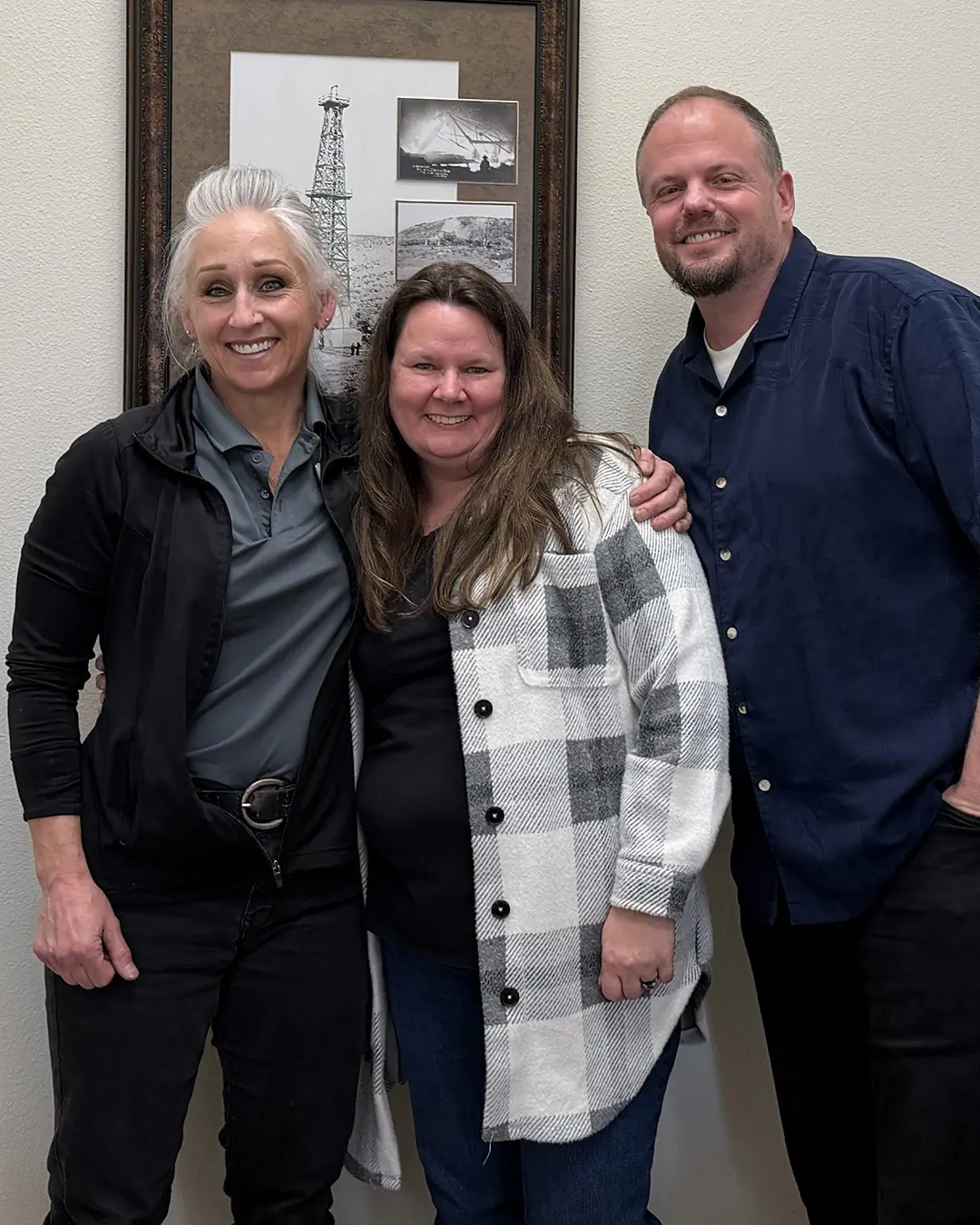
If you want a very competent, knowledgeable, personable, honest realtor, who has your back every step of the way, Scott is your guy! He leaves no stone unturned and genuinely has your best interests in mind at all times. He communicates every move. Working with Scott definitely made this the easiest and most stress free real estate transaction that I have ever experienced!! Thank you, Scott!!
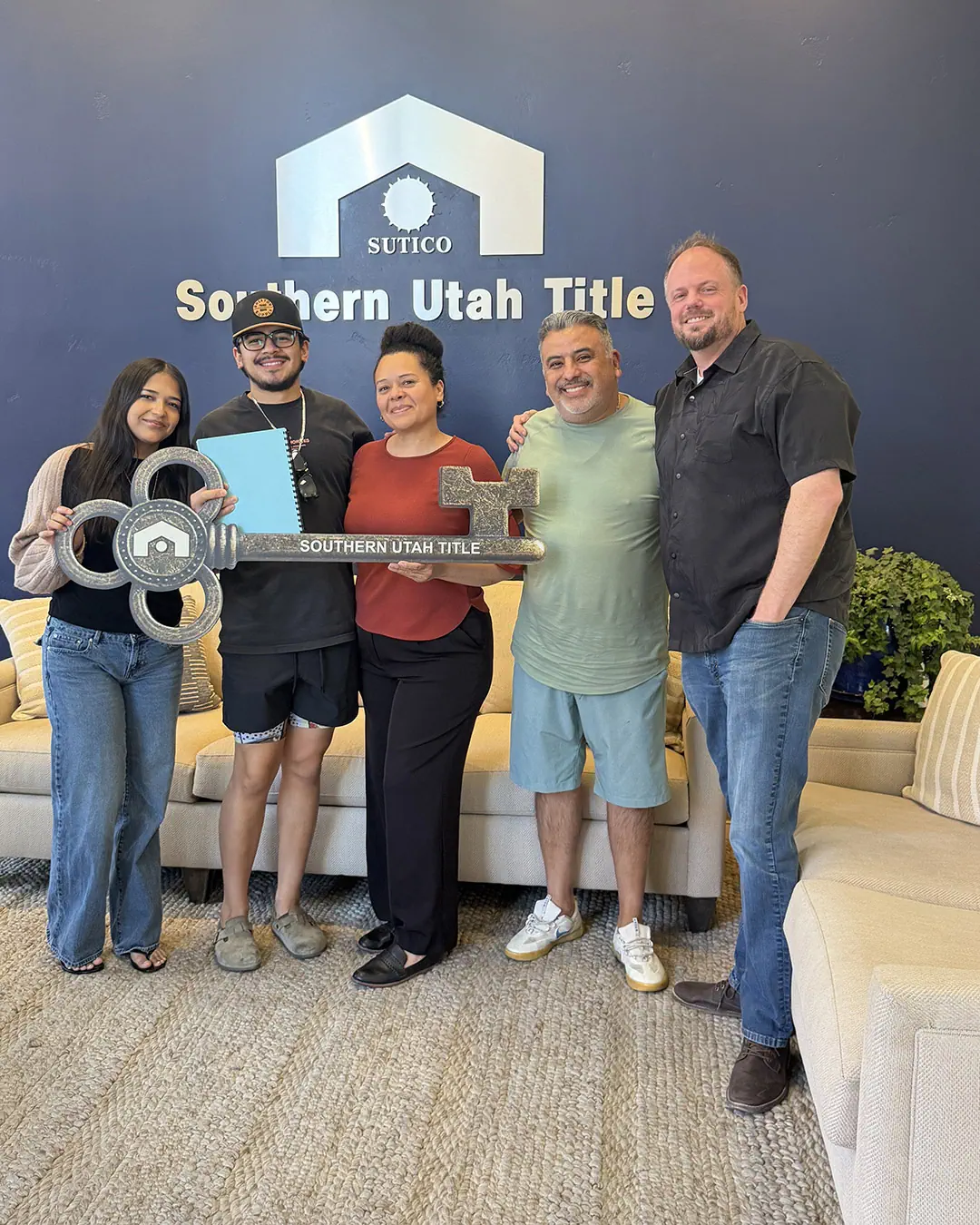
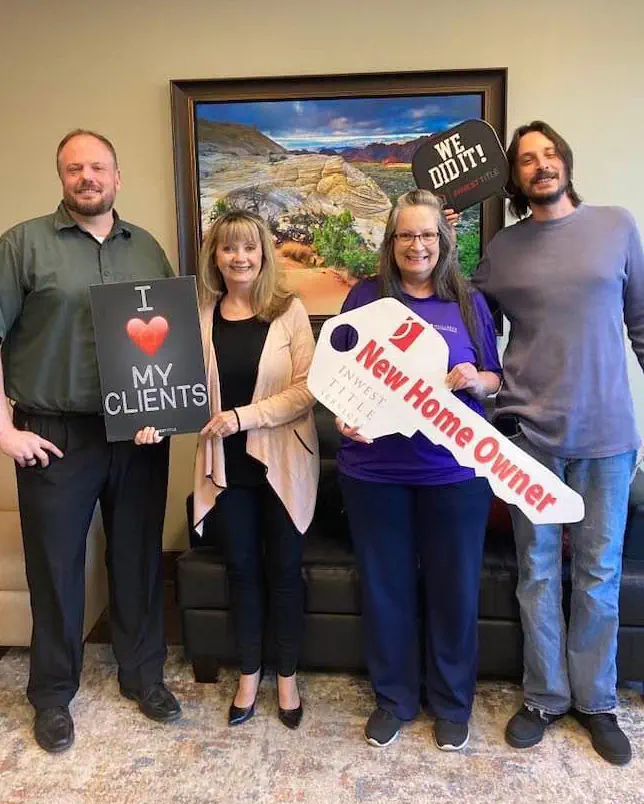

Talk to Scott
Want a local to read the listings with you?
I am Scott Buehler. I have lived in Southern Utah for more than 20 years. Tell me your budget, whether you want acreage or a home in the heart of town, and what you must have. Few homes come up here, so I watch the new listings and tell you which ones are worth the drive.
Why work with me
- I read past the photos.Send me a listing you like. I will tell you what the photos leave out, and the catch if there is one.
- I can show you any Paragonah home listed here.It does not matter which brokerage listed it. Tell me which ones you like, and I set up the showings.
- A lender's eye on the listing.I am licensed in both real estate and lending. On any one purchase I take one role. If I am your lender, I can tell you early if a home could be hard to get a loan on.
- A reply within one business day.Ask me about any home on this page. Call or text, and I get back to you within one business day.
Or call me: (435) 357-4345I reply within one business day.