
Live Pine Valley listings, filtered
Homes with RV parking in Pine Valley
Pine Valley homes with room for an RV, a boat or a trailer, from any brokerage and live from the MLS. Under the listings: what makes a lot work for a rig up here, where the room is, and what to check on a tour.
Park it at the edge of the forest.
This page's filter
- Filter
- RV parking
- Area
- Pine Valley, UT
- Sort
- Newest first
- Feed
- Washington County MLS, live
Want it narrower? Tell me your rig.
Other Pine Valley searches
Each search is its own page, with a local guide and the live listings that match. This page is lit.
By home type
By feature
Views and luxury
The newest Pine Valley homes with RV parking
Listing information comes from the Washington County Board of Realtors MLS and is deemed reliable but not guaranteed.
The fit check
Will your rig fit the lot?
Choose your rig. Every kind asks something different of a lot. The lengths are general sizes, so check your own spec sheet and add the hitch.
General lengthAbout 18 to 35 feet
What to check outside
- Backing in. Look for a straight run to the pad, or room to swing the truck wide.
- The gate. Mirrors reach past the walls of the trailer. Measure the gate while it is open.
- The hitch. Count the tongue too. It adds a few feet to the length on the sticker.
General lengthAbout 25 to 40 feet
What to check outside
- Overhead. The front cap rides tall. Look up for branches, eaves and wires, and remember the tall pines.
- The truck. Backing in with the truck still hooked up makes the truck part of the turn.
- The pad. A fifth wheel rests heavy weight on its jacks, so it wants a firm pad and not loose gravel.
General lengthAbout 25 to 45 feet
What to check outside
- Height. A Class A can top 12 feet. Look at every limb and roof edge on the way in.
- The road in. The Pine Valley Road climbs about 8 miles from SR-18, so plan the grade and the brakes for a long rig.
- Power. A 30 or 50 amp outlet runs the batteries and the fridge between trips.
General lengthAbout 15 to 30 feet
What to check outside
- Count them all. A boat and a side by side trailer take two spots, or a single long one.
- The surface. A light trailer can sit on gravel, but frost can heave it over time.
- Cover from snow. With about 55 inches of snow a year, ask if the lot has a cover or a shed bay, and what the county allows.
General sizes, not a promise. Your rig's spec sheet has its real length and height.
The guide
What to know before you buy
The local read, winter and the pad, the cost, before you tour, the rules and how I help
The local read
What RV parking means in Pine Valley
In shortThis page lists homes with a place to park an RV, a boat or a trailer outside, on a pad, a driveway or a bigger lot. If you want the rig under a roof, look for a home with a covered bay or a shop, and ask the county first.
Let me say what I mean by these words. RV parking means an open spot outside: a pad, a wide driveway, or a side yard you can drive into. A covered bay or a shop is a building, and a building brings its own county rules. For many buyers, an open pad is all a rig needs between trips.
Pine Valley is not a city, so there is no town code. Washington County and the Pine Valley Overlay Zone set the rules. The overlay says nothing about parking a rig on a lot. The county's land use code covers that, so ask Washington County Community Development before you count on a spot.
Lots vary a lot from plat to plat. The middle lot in the Ranchos is about a third of an acre, while the north side and the east end run from about an acre to about 2.5 acres. The bigger lots have the most room.
Listings say little about rig parking. The words can mean a firm pad behind a wide gate or a patch of dirt by the fence. So I read the photos and the lot lines on each home before I send it to you.
RV parking
This page- An open pad, driveway or yard
- The rig sits out in the snow
- Needs the room, not a new building
- The county code decides what is allowed
A covered bay or a shop
Ask the county- A roof over the rig, or a shop beside the house
- Keeps snow off the rig
- Counts toward the cap on detached buildings
- Needs a county look at height and permits
Winter and the pad
What a mountain winter asks of a pad
Your rig sits outside through all of it, at about 6,500 feet.
Snow is the big test
The Cedar City 5E weather station, 34 miles away at nearly the same height, logs about 55 inches of snow a year. February and December bring the most. A rig in the open takes all of it.
A cover or a shop
The overlay caps detached buildings at 15 percent of the lot if they sit inside the house setbacks, or 10 percent if they sit elsewhere. Ask Washington County about height and permits before you plan one.
Freeze and thaw
At that station, about 157 nights a year drop to freezing or lower. Loose gravel and dirt shift with frost, so a firm pad holds up better.
Winterize early
The first fall freeze usually lands near October 4 at that station. Empty the water lines by then, or keep the rig plugged in and warm.
Snow and freezing nights: NOAA 1991 to 2020 normals, Cedar City 5E station, the only normals station within 1,000 feet of the village's height. Caps: Pine Valley Overlay Zone, Washington County Code 10-27A.
The cost
What RV parking costs in Pine Valley
The pad alone does not make the price. It comes with the lot, and the lot and the house move the price far more than the pad does. Too few homes sell here to quote a going price.
The county assessor puts a typical Pine Valley home near $462,100 for the 2026 tax year. That is what the county assessed, not what a home sold for. Start with the lot, and let the rig follow.
Browse RV parking by budget instead
Before you tour
The RV parking checklist
Take this on every showing. Tick each line as you check it. Your ticks stay on this device.
The rules
Rules to check before you count on it
Room on the ground is only half of it. Rules decide if you may park there, and what you may add.
The county code
The overlay has no rule on parking a rig. Washington County's land use code sets that, so ask Community Development about the address before you count on the spot.
The plat's CC&Rs
Some plats record CC&Rs that limit rig parking. Get a copy early and read what it says about rigs.
A cover or a shop
Detached buildings have a cap of 15 percent of the lot inside the house setbacks, or 10 percent elsewhere. Every zone has a 35 foot height cap. Ask the county about shed and permit rules.
Fences around a rig
A fence along the edge of a lot may not block sight, and 6 feet is the top height. A solid screen along the lot line is not allowed.
How I help
How I find you the right lot
The MLS cannot filter rig room cleanly. Here is how I work around that.
Tell me the rig
How long, how tall, and what else you park. Include any boat, side by side or trailer.
I read every listing
I study the photos, the lot lines and the street view on each new home in your budget, not only the ones tagged RV.
You get a short list
Only homes with the room, each with what I found on the pad, the gate and the rules.
We measure on the tour
Bring a tape. Gate, width and overhead room all get a check before you write an offer.
Where to look
Where the room for a rig is
Room for a rig comes down to the size of the lot and what the county allows. The biggest lots sit on the north side and at the east end.
North side
Mangum and Pine View
These north side plats lie toward the Grass Valley road. The middle lot is about 2.5 acres at Mangum and just over an acre at Pine View, so there is more room to work with. Check the county rules on any rig first.
East end
Retreat and Lone Pine View
Acre-plus lots. Pine Valley Retreat has a middle lot near 1.9 acres, and Lone Pine View Estates near 2 acres.
Far east
Spring Creek Pines
Lots of around half an acre. Measure the side yard and read the CC&Rs before you count on room.
Middle, north of Main
Willow Creek
A small plat with lots of about half an acre. Measure each yard, since lots differ.
The trips
Where the rig goes from here
Leaving from home is the best part of parking at home. These are the usual drives from Pine Valley, by car.
- 27 minVeyo
The nearest town down the mountain, on SR-18.
- 35 minSnow Canyon State Park
The north entrance of the red rock park, near Ivins.
- 40 minEnterprise
A town northwest of the village.
- 44 minGunlock State Park
A state park with a reservoir, northwest of Santa Clara.
- 50 minSt. George
The main city of Washington County, about 34 miles away.
Drive times: routes from the Pine Valley Chapel, checked October 2026, with the site's drive time table. Forest order: Dixie National Forest.
Client reviews
What a past client said
These are real reviews from past clients, shown as they wrote them.
Posted by past clients on Google and Experience.com.
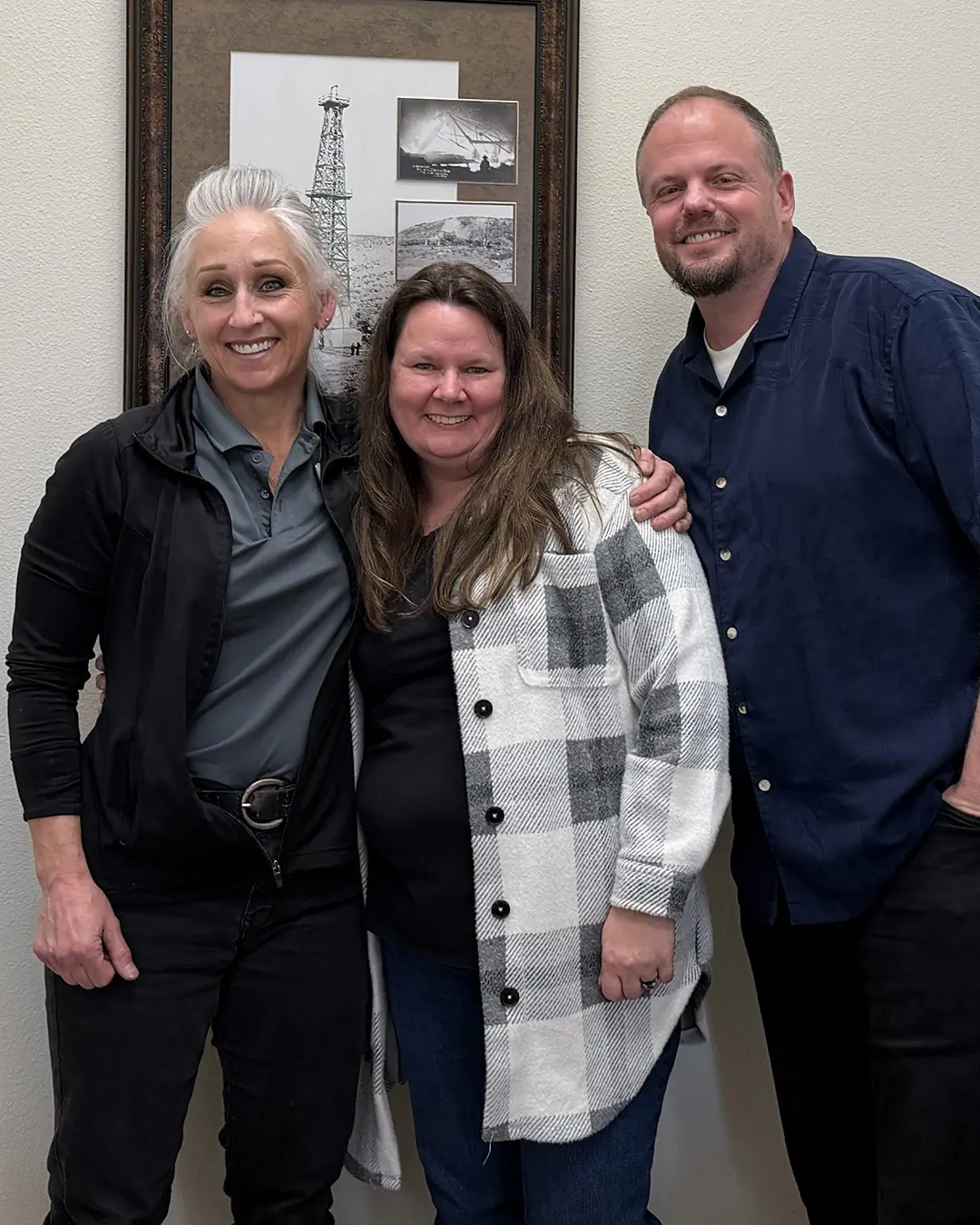
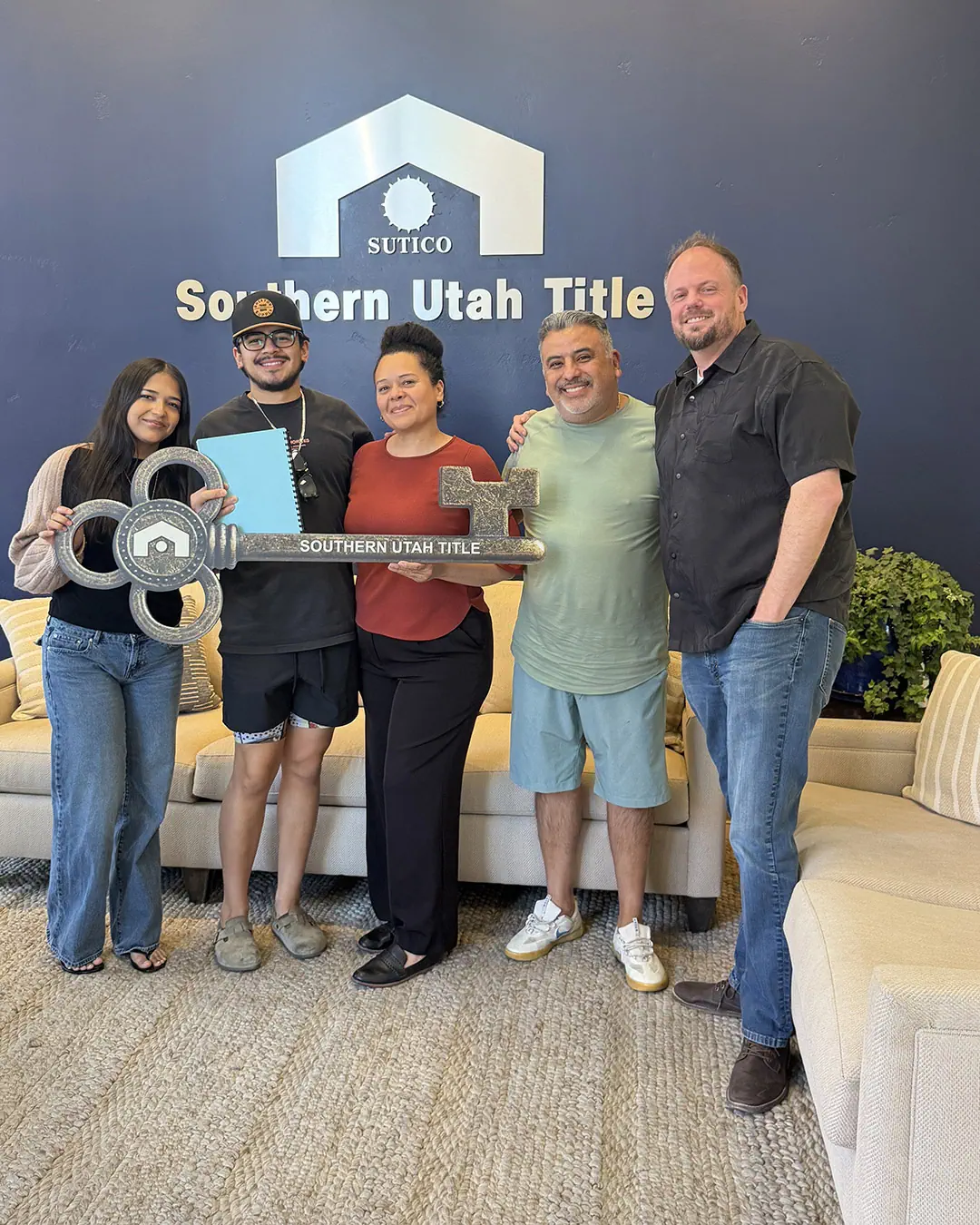
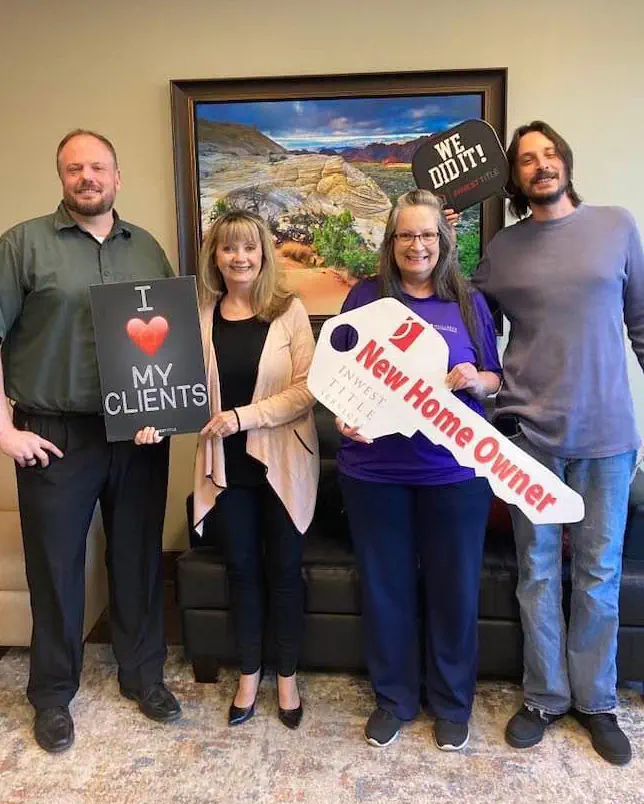
If you want a very competent, knowledgeable, personable, honest realtor, who has your back every step of the way, Scott is your guy! He leaves no stone unturned and genuinely has your best interests in mind at all times. He communicates every move. Working with Scott definitely made this the easiest and most stress free real estate transaction that I have ever experienced!! Thank you, Scott!!

Quick answers
RV parking, answered
Talk to Scott
Want the lots with room for your rig, in a short list?
Tell me the budget, the plats you like and what you park. Few homes list here, so I watch each one. I send the ones with real room, along with what the county says about parking at that address.
Why work with me
- I look at the lot behind the tag.Rig room is not a tidy MLS field, so I read the photos and lot lines of each home before it reaches you.
- I can show you any home on this page.It does not matter which brokerage listed it. Tell me which ones you like, and I set up the showings.
- A lender's eye on the listing.I am licensed in both real estate and lending. On any one purchase I take one role. If I am your lender, I can tell you early if a home could be hard to get a loan on.
- A reply within one business day.Call or text, and I get back to you within one business day.
Or call me: (435) 357-4345I reply within one business day.