
Live Beaver listings, filtered
Homes with RV parking in Beaver
Beaver homes for sale with room for a camper, a boat or a trailer, shown live from the MLS no matter who listed them. Below them: where the room is, what the weather asks of a pad, and what to measure on a tour.
Park it here, leave from here.
This page's filter
- Filter
- RV parking
- Area
- Beaver, UT
- Sort
- Newest first
- Feed
- Utah MLS, live
Want it narrower? Tell me your rig.
Other Beaver searches
Each search is its own page, with a local guide and the live listings that match. This page is lit.
By feature
Land and acreage
The newest Beaver homes with RV parking
Listing information comes from the Wasatch Front Regional Multiple Listing Service and is deemed reliable but not guaranteed.
The fit check
Will your rig fit the lot?
Choose which rig you will park. Each kind of rig wants something else from the lot. Lengths are rough, so use your own rig's spec sheet and add the hitch.
General lengthAbout 18 to 35 feet
Lot checks for this rig
- The back in. Look for a straight line through the gate, or a street wide enough to swing the truck out.
- The gate. Side mirrors and fenders poke out beyond the body. Measure the gate when it is wide open.
- The tongue. The hitch adds a few feet past the length on the sticker. Leave room for it.
General lengthAbout 25 to 40 feet
Lot checks for this rig
- Overhead. The front cap rides high. Look up at limbs, eaves and power lines before you commit.
- The truck. The truck stays hitched as you back in, so the turn has to fit both.
- The pad. Fifth wheels put heavy weight on the landing jacks. Concrete holds up better than gravel.
General lengthAbout 25 to 45 feet
Lot checks for this rig
- Height. Utah roads allow 14 feet tall and 8.5 feet wide. A tall motorhome uses most of that, so check every limb and roofline.
- The turn. A long rig wants a wide street or a drive through gate, so you never back it down the block.
- Power. A 30 or 50 amp plug keeps the batteries charged and the fridge cold at home.
General lengthAbout 15 to 30 feet
Lot checks for this rig
- Count them all. If you tow a boat and an ATV trailer, plan for two spots or one long run.
- The surface. Gravel can hold a light trailer. Over a few winters, frost moves the stones and the ground under them.
- The gate swing. Make sure the gate opens fully with the trailer parked.
Rough sizes only. Check the real length and height on the spec sheet for your own rig.
The guide
What to know before you buy
The Beaver read, the weather, the price, before you tour, the rules and how I help
The Beaver read
What RV parking means in Beaver
In shortThis page lists Beaver homes with room to park an RV, a boat or a trailer outside, on a pad or in a side yard. A tall covered bay is a different search, and I can watch for one if that is what you need.
Two things get mixed up on listings. Open parking means the rig sits outside, on a pad, along a wide drive or down a gated side yard. A covered bay is a tall garage you drive into. The open kind is simpler to add, and plenty of owners are happy with it between trips.
Beaver sits on I-15, so the trips start close. Minersville Reservoir State Park is about 15 minutes west. Parowan is about 34 minutes south, Cedar City about 50, and Brian Head about 56. The canyon road east, SR-153, has been closed since the July 2026 flood, and the state does not expect general use before 2027.
Listings describe RV parking loosely. It can mean a concrete pad behind a wide gate or a patch of gravel by the fence. I go through the photos and look at the lot lines myself before a home reaches you.
Weather matters too. Beaver sits at about 5,900 feet. Circleville, the nearest NOAA station with normals, counts about 186 freezing nights a year, and Beaver likely gets 25 to 30 inches of snow. Wind blows hardest from April to June. That is why I lean toward a concrete pad over gravel.
RV parking
This page- A pad, a long drive or a fenced side yard
- Found on town lots and bigger parcels
- The rig sits out in the weather
- Fits a camper, a boat or a trailer
Acreage
Its own page- Chosen by lot size, starting at half an acre
- Room for a shop as well as a rig
- Water and septic matter more
- Often outside the city line
The weather
What a Beaver winter asks of a pad
The weather hits a parked rig every month. Below, snow shows as bars and wind as a line, for each month near Beaver.
Snow, inches (Circleville station)Average wind, mph (Beaver airport)
| Month | Snow, inches (Circleville station) | Average wind, mph (Beaver airport) |
|---|---|---|
| Jan | 5.8 | 4.8 |
| Feb | 3.7 | 6.6 |
| Mar | 2.8 | 7.8 |
| Apr | 1.5 | 8.4 |
| May | 0 | 8.1 |
| Jun | 0 | 8.6 |
| Jul | 0 | 7.7 |
| Aug | 0 | 7.3 |
| Sep | 0 | 6.4 |
| Oct | 0.8 | 6 |
| Nov | 2.2 | 5.4 |
| Dec | 2.6 | 4.3 |
Pour concrete, skip gravel
Circleville, the nearest station with NOAA normals, counts about 186 nights a year at or below freezing. Frost heaves gravel over a few winters. Ask the city's building office how deep it wants footings.
Plan for the snow
Circleville averages 19.4 inches a year, and Beaver likely gets 25 to 30, since its old town records ran snowier. January is the heaviest month at the station. Look for a pad you can clear.
Strap it down in spring
Beaver airport averages about 6.8 mph of wind, and April to June run 8.1 to 8.6 mph. Roll in awnings and strap down the covers.
Winterize by late September
The first fall freeze comes around September 27 in a typical year, and the November low averages about 23 degrees. Blow out the water lines by then, or keep the rig powered and warm.
Snow, lows and freezing nights: NOAA 1991 to 2020 normals, Circleville station, 21 miles east of Beaver (it tracks Beaver's old station within about 1 degree). Wind: daily readings at Beaver Municipal Airport, 2022 to 2025 (Iowa Environmental Mesonet).
The price
What RV parking costs in Beaver
The pad rarely sets the price. It rides along with the lot and the house, so a wide side yard usually means an older or bigger lot.
For a yardstick, Census data (American Community Survey, 2020 to 2024) put a typical Beaver home at about $280,100. Homes with RV parking list above and below that figure, so shop by the lot first.
Search RV parking by budget, or begin with all homes at a price
Before you tour
The RV parking checklist
Take this on every showing. Tick each line as you check it. Your ticks stay on this device.
The rules
Rules to check before you count on it
A wide pad is not the whole answer. These decide whether you can park there, and what it takes to build more later.
The city's rules
Beaver City's code sets where an RV can sit on a lot. Ask the planning and zoning office at City Hall, 435-438-2451, before you plan the pad.
Recorded CC&Rs
Some plats record rules that limit RVs. Get a copy early and read what they say about RVs.
The street, and outside the city
State law treats a vehicle left on a street more than 48 hours as abandoned, and it can be towed, so plan to park on the lot. Outside the city, Beaver County's code lets you store a travel trailer but not live in it.
Building a cover later?
A one-story shed of 200 square feet or less may not need a permit under the state code, but ask the city first. A covered bay is bigger, so it needs one. The state code sets Beaver's ground snow load at 35 pounds per square foot, and the city's building office confirms the roof design.
How I help
How I help you find a lot with room
RV parking is not a clean filter on the MLS, so I work around that.
Tell me the rig
How long and how tall it is, plus any other toys you park. Boats and ATV trailers count as well.
I check each home
For every new home in your budget I study the photos, the lot lines and the street view, whether or not it carries the RV tag.
You get a few homes
Just the ones with real room, each with my notes on the pad, the gate and the rules.
We measure together
Bring a tape. On the tour we measure the gate, the width and the overhead before you write an offer.
Where to look
Where the room for a rig actually is
Room for a rig comes from lot width and from what the rules on that lot allow. County parcel records for 2025 put the middle home lot in Beaver at about a third of an acre, so look for the wider ones.
Center, around Main and Center
The old grid
The original blocks have a middle lot of about a third of an acre. Of 662 homes there, 114 sit on half an acre or more, so a side yard with room for a pad turns up one house at a time.
East, toward the canyon
The east side plats
Porter and Parkside have lots of about 0.4 acre, and Meadow View about half an acre. That gives more width to work with than the tight plats.
North, toward the hospital
The north end
Amaral Ranch and Kinross have lots of about an acre. Mountain Home, just north, runs 1.1 to 3.8 acres. Lots this size leave space for a rig beside the house.
East on SR-153
Canyon Breeze Estates
Lots of about half an acre, just outside the city line, so county rules apply. The golf course is next door, about 6 minutes from City Hall.
Toward Manderfield
North of town
Just outside the city, within about three to four miles of town, the middle parcel is near 1.9 acres, and about one in three is five acres or more. County rules apply, and many homes use a well.
The trips
Where the rig goes from Beaver
The best part of a pad at home is leaving from it. These are the common drive times, starting at Beaver City Hall.
- 15 minMinersville Reservoir
The state park reservoir, west of town on SR-21.
- 34 minParowan
The next stop south on I-15, and the turn toward Brian Head.
- 50 minCedar City
Roughly 53 miles down I-15.
- 56 minBrian Head
The ski town above Parowan, at the top of SR-143.
Drive times are about, from Beaver City Hall, taken from the MovingUtah drive times tool. Canyon closure as printed on the Beaver city page.
Client reviews
What a past client said
These are real reviews from past clients, shown as they wrote them.
Posted by past clients on Google and Experience.com.
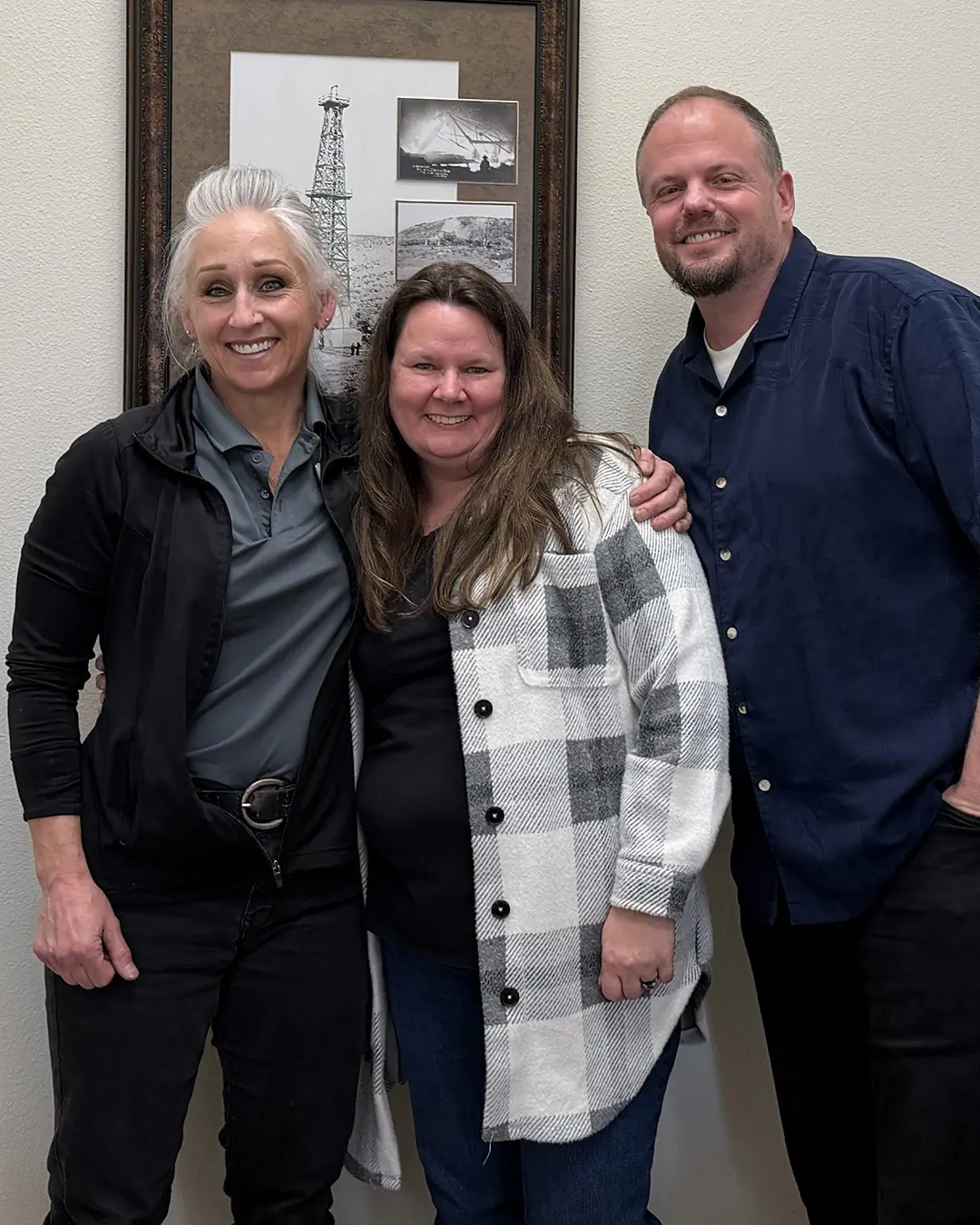
If you want a very competent, knowledgeable, personable, honest realtor, who has your back every step of the way, Scott is your guy! He leaves no stone unturned and genuinely has your best interests in mind at all times. He communicates every move. Working with Scott definitely made this the easiest and most stress free real estate transaction that I have ever experienced!! Thank you, Scott!!

Quick answers
RV parking in Beaver, answered
Talk to Scott
Need lots that really fit your rig?
Give me your budget, your area and your rig. I watch these listings every week and send the few with real room, with what I find on the city rules and the CC&Rs for each one.
Why work with me
- I judge the lot, not the label.No tidy RV field exists in the MLS. I go through the photos and lot lines before I send a home.
- I can show you any home on this page.It does not matter which brokerage listed it. Tell me which ones you like, and I set up the showings.
- A lender's eye on the listing.I am licensed in both real estate and lending. On any one purchase I take one role. If I am your lender, I can tell you early if a home could be hard to get a loan on.
- A reply within one business day.Call or text, and I get back to you within one business day.
Or call me: (435) 357-4345I reply within one business day.