
Live Murray listings
Murray homes for sale
Straight from the MLS, newest first, from every brokerage that takes part.
Browse Murray homes by quick filter
Each filter is its own page, with a short local guide and the live listings that match.
The newest Murray homes for sale
New listings show up here the day they go live. Homes that sell or go under contract drop off. Listing information comes from the local MLS and is deemed reliable but not guaranteed.
See a home you like? Save it with a free account, and get an email if its price changes.
Create my free accountThe market in numbers
What does a home in Murray cost?
Short answerThe Census puts the typical Murray home value at about $507,500. That is what owners say their homes are worth, not a sale price. About 65 percent of homes here are lived in by their owners.
My market reports cover Southern Utah. For Murray, these numbers come from public records: the U.S. Census and the Utah State Tax Commission. They move slower than sale prices, but anyone can check them.
The typical value sits close to the middle for Salt Lake County. The homes are a mix. About 53 percent are detached houses, about 11 percent are townhomes, and about 28 percent are in buildings of five or more homes. Most went up from 1940 to 1979, and only about 1 percent were built since 2020. Little open land is left, so nearly every home for sale is a resale.
Prices
- Typical home valueU.S. Census ACS 2020 to 2024, what owners say their homes are worth
- ~$507,500
- Property tax (primary home)Salt Lake County average, 2025, Utah State Tax Commission
- ~0.55%
The homes
- Owner-occupiedOf occupied homes, U.S. Census ACS 2020 to 2024
- About 65%
- Median year builtThe 1970s are the biggest decade, U.S. Census ACS 2020 to 2024
- 1978
The place
- PopulationU.S. Census, 2025 estimate
- ~53,300
- ElevationAt City Hall, about 4,260 by the river to about 4,450 at the southeast edge
- About 4,300 ft
Getting around
- Drive to downtown Salt Lake CityAbout 8 miles north
- About 13 min
- RailRed and Blue lines, plus FrontRunner at Murray Central
- Three TRAX stations
Sources: U.S. Census Bureau, American Community Survey 2020 to 2024 (typical home value, owner share, year built, home types) and 2025 population estimate; Utah State Tax Commission, 2025 (property tax); UTA (TRAX and FrontRunner). Numbers checked October 15, 2026. Prices move, so ask me for current numbers.
If you are buying
Price a home against recent sales of homes like it nearby, not against the Census figure. Judge each home by its street, its age and its updates. On a house from the 1960s or 1970s, ask the inspector about the furnace, the wiring and the plumbing. For a condo or townhome, ask early about the project's lender review.
If you are selling
Who buys depends on the home. A townhome near a station and a mid-century rambler in the core each draw a different buyer. Start with what homes like yours sold for in the last few months.
What is my home worth?I am licensed in both real estate and lending. On any one purchase I take one role. If I am your lender, I can tell you early if a home could be hard to get a loan on. You are always free to choose your own agent and your own lender. The full explanation is on How I Work.
Only in Murray
What makes the Murray market different?
Short answerMurray runs its own power, water and schools, and it has almost no open land left. So the questions for a home here are about the address: which district, which utility, which station.
Murray sits in the middle of these five towns. Midvale and Taylorsville come in lower, and Millcreek and Holladay come in higher. That fits a city with a typical value close to the middle for Salt Lake County.
U.S. Census Bureau, American Community Survey 2020 to 2024: what owners say their homes are worth, not sale prices. Compare Murray and Millcreek
One city bill for most homes
One city account covers power, water, sewer and garbage for most homes. Murray City Power has been the city utility since 1913. Homes east of about 900 East can have Rocky Mountain Power and other water or sewer, so check the address.
Two school districts in one city
Most of the city is in the Murray City School District. About a fifth, east of about 900 East, is in Granite School District and pays Granite's school levy. Check the district by address.
The ZIP code does not tell you the city
About half the city is 84107. The ZIP codes 84123, 84121 and 84117 print "Salt Lake City" in the mailing address. Check the city line for any address you like.
Pick the station before the street
Three TRAX stations sit on the Red and Blue lines, with trains every 15 minutes on weekdays. FrontRunner at Murray Central reaches Salt Lake Central in about 9 minutes. Train noise and station traffic are part of the deal.
Almost no open land
The Census counts only 183 owned houses built since 2020. New homes come as townhomes, condos and apartments, mostly at Fireclay and near the stations. The planning commission approved 76 townhomes at Cottonwood Galleria on April 2, 2026.
The old smelter ground
Parcels around 5200 to 5300 South State sit in the city's Smelter Site Overlay District, and soil work there needs a $500 city permit. A hospital, a Costco and a TRAX station stand on that ground now. It is a records item for a buyer, not an alarm.
Shop by price
What does each budget buy in Murray?
Short answerThe Census puts the typical home value at about $507,500. That is what owners say, averaged over five years. It falls in the Under $600K range.
Under $500K
Just under the typical valueCondos and townhomes, many near the three stations and at Fireclay, plus smaller older homes that may need updates.See homes under $500KThe typical value sits hereUnder $600K
Around the typical valueBrick ramblers and split-levels from the 1940s to the 1970s on the older blocks around State Street. The typical value falls in this range.See homes under $600KUnder $700K
Room to move upMore space, more rooms, or a fully updated home on an older street.See homes under $700KUnder $800K
The upper rangeLarger and fully updated homes. Past 900 East, the ground is in Granite School District and can have other utilities, so check both by address.See homes under $800KOver $800K
The top of the marketThe largest and fully rebuilt homes in the city. Set an alert so you hear when one comes up.See homes over $800KEach price page has its own live listings. If one has few homes right now, the page says so.
Shop by part of town
Which parts of Murray should I look at first?
Short answerMurray has no neighborhood map. Buyers read it by area: State Street through the middle, the Jordan River on the west, and the east side past 900 East.
Murray Park and the Vine Street core
City Hall, the Murray Theater and Desert Star Playhouse sit on State Street. Murray Park is east of State on Little Cottonwood Creek. Two National Register districts cover the older blocks.
The east side, toward Holladay
It runs to about 1300 East, and to Highland Drive in the south. Wheeler Historic Farm is at 6351 South 900 East. This ground is in Granite School District, and some homes use other power and water.
Fireclay and the north end
Murray North station is at 71 West Fireclay Avenue. This end touches Millcreek and South Salt Lake and has most of the new condos and apartments.
Fashion Place and the south end
Fashion Place mall is at 6191 South State, with the Fashion Place West station beside it. The area runs south to the Midvale line.
The Jordan River side
Germania Park, Willow Pond, the Murray Parkway golf course and the trail sit here. The land is mapped high for liquefaction, so ask about a soils report.
The hospital district
Intermountain Medical Center, Murray Central station and Costco sit on the old smelter ground. Shift-change traffic and the medical helicopter can be heard nearby, so tour at the hours that match your life.
Every part of town, in the Murray guide
The guide walks all six areas, from the Vine Street core to the east side, with the ZIP code trap and the school line.
Read about the neighborhoodsLooking just outside town? See homes for sale in Midvale, Holladay and Taylorsville.
Selling in Murray
Want to sell your home in Murray?
List it with a partner agent I trust in Salt Lake County. Your home gets featured on MovingUtah. Buyers read these pages while they shop for a home in Murray. I make the connection and stay involved. Commissions are always negotiable.
Start with what your home is worth. There is no cost, and you do not have to list.
Call or text (435) 357-4345. I reply within one business day.
Selling outside Southern Utah. In Iron, Washington, Kane, Garfield, and Beaver counties I am your listing agent. Elsewhere in Utah, I connect you with a partner agent I trust in that area. If you choose to work with an agent I refer, that agent's brokerage pays my brokerage (Real Broker, LLC) a referral fee out of their compensation, never an added cost to you. You are always free to choose any agent you wish, and using a referred agent is never required.
Shop by home type
What kind of home are you looking for?
Short answerSome searches are about the house, not the part of town. Each link below is its own page, with a short local guide and the live listings that match.
Single-story homes
Brick ramblers from the 1940s to the 1970s fill the blocks around State Street. Split-levels are mixed in, so check the floor plan. Ask the inspector about the furnace, the wiring and the plumbing.
See the listingsTownhomes
About 11 percent of Murray homes are townhomes or other attached homes. The newest sit at Fireclay and near the stations. Each project needs its own lender review, so ask early.
See the listingsNew construction
Almost no open land is left. New homes come as townhomes, condos and apartments, mostly at Fireclay and near the stations. Ask whether a project sells homes or only rents them.
See the listingsADU and casita homes
The city code allows ADUs, so ask the city what applies to a lot. Short-term rentals are not allowed in or beside an ADU. A second kitchen does not make a unit legal, so check the permits.
See the listingsHomes with a basement
Ask whether a lower level is finished and permitted. Test for radon too. In 84107, 25.6 percent of short-term tests ran at or above the fix-it level.
See the listingsMountain view homes
The ground rises about 190 feet from the river to the southeast tip. The Wasatch and the canyon mouths are to the east, so your best odds are on the east side.
See the listingsLuxury homes
The top price range in Murray. If a home sits past 900 East, it is in Granite School District and may have other utilities, so check both.
See the listingsRV parking homes
For a camper headed up 6200 South to the canyons. Side-yard room depends on the lot, so measure the gate.
See the listingsViews and luxury
FAQ
Questions people ask about Murray listings
They come from the local MLS feed and update through the day. New Murray listings show up the day they go on the market. Homes that sell or go under contract drop off. It is the same data agents use.
Yes. It shows listings from every brokerage that takes part in the MLS, not just the homes one office has listed.
No. You can look at every listing without one. A free account is for when you want the site to keep watch for you.
You can save the homes you like and save your searches. You get an email when a new home fits your search or a price changes. You pick how often the emails come, and you can stop them any time.
The U.S. Census puts the typical Murray home value at about $507,500 (ACS 2020 to 2024). That is what owners say their homes are worth, averaged over five years, not a sale price. It sits close to the middle for Salt Lake County. It covers a mid-century rambler or split-level in the older core, a newer townhome or condo near a station, and larger updated homes. Prices move, so check it against the live listings.
My base is Southern Utah. For a Murray move, I connect you with a partner agent I trust in Salt Lake County for the showings, the offer and the closing. I stay on your file for the homework and the loan side. If you work with an agent I refer, that agent's brokerage pays my brokerage a referral fee out of the agent's pay. It is not an added cost to you, and you are always free to choose any agent.
Not to look, and not to talk with me. You will want one before you write an offer. A pre-approval is a lender's letter that says how much you can borrow. Sellers take it seriously, and it settles your real budget. The pre-approval guide shows how it works.
List it with the partner agent I connect you with in Salt Lake County, and your home gets featured on MovingUtah. The get featured page shows how that works. A home valuation is a good first step.
Murray has three TRAX stations. Murray North is at Fireclay, Murray Central is on Vine Street by the hospital, and Fashion Place West is by the mall. All three sit on the Red and Blue lines, with trains every 15 minutes on weekdays. FrontRunner at Murray Central reaches Salt Lake Central in about 9 minutes, with no Sunday service. Most daily trips still start in a car, so test your own routine. Walk from the house to the platform at commute hour before you decide.
For most homes, yes. One city account covers power, water, sewer and garbage, with stormwater on the same bill. Murray City Power has been the city utility since 1913. Gas comes from Enbridge Gas Utah. Homes east of about 900 East can have Rocky Mountain Power, other water and a sewer district. A strip at the north end uses Jordan Valley Water, and the southeast corner uses Salt Lake City Public Utilities. Check the address before you count on one city bill.
For more answers about living in Utah, see the Utah FAQ.
Client reviews
What a past client said
These are real reviews from past clients, shown as they wrote them.
Posted by past clients on Google and Experience.com.
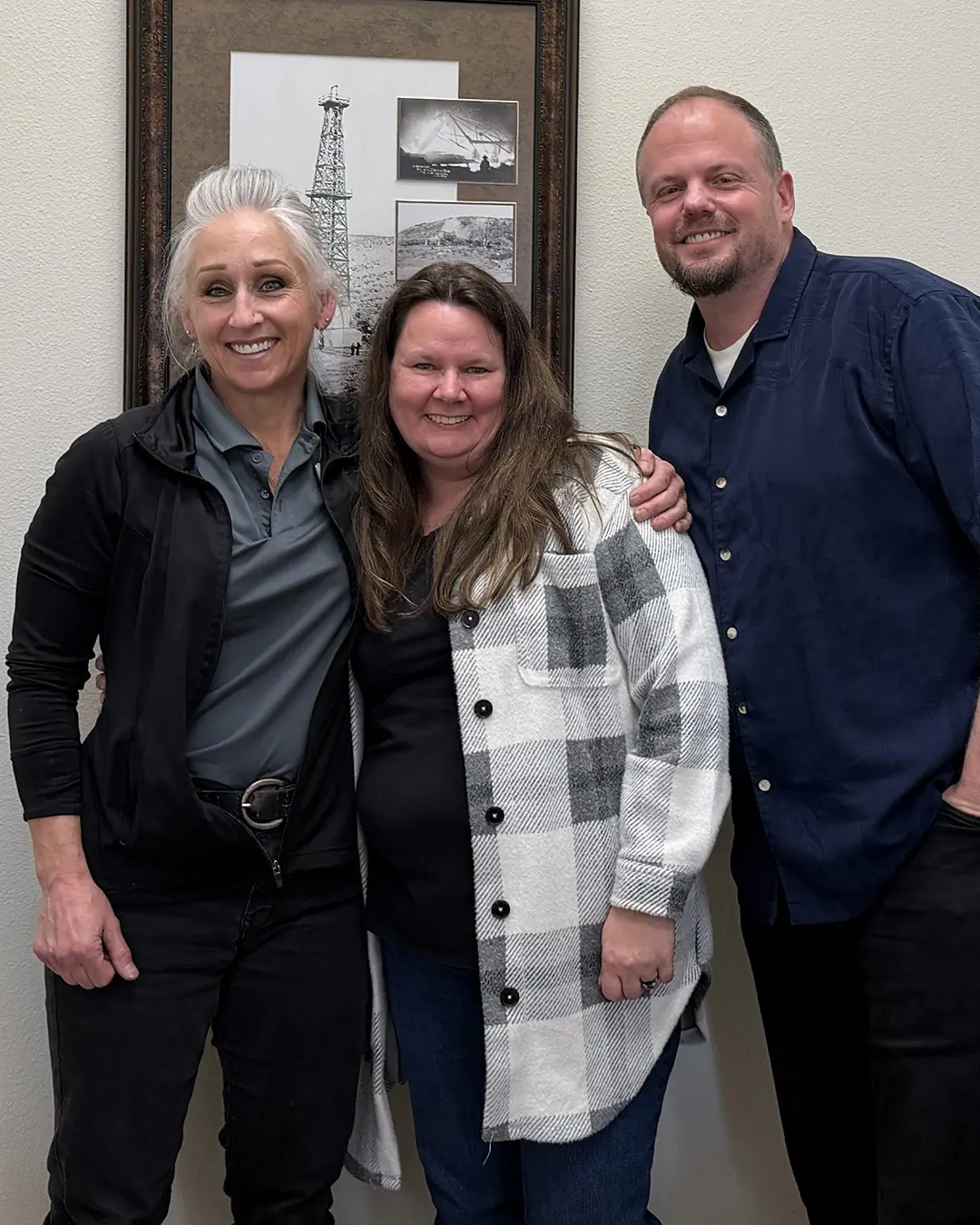
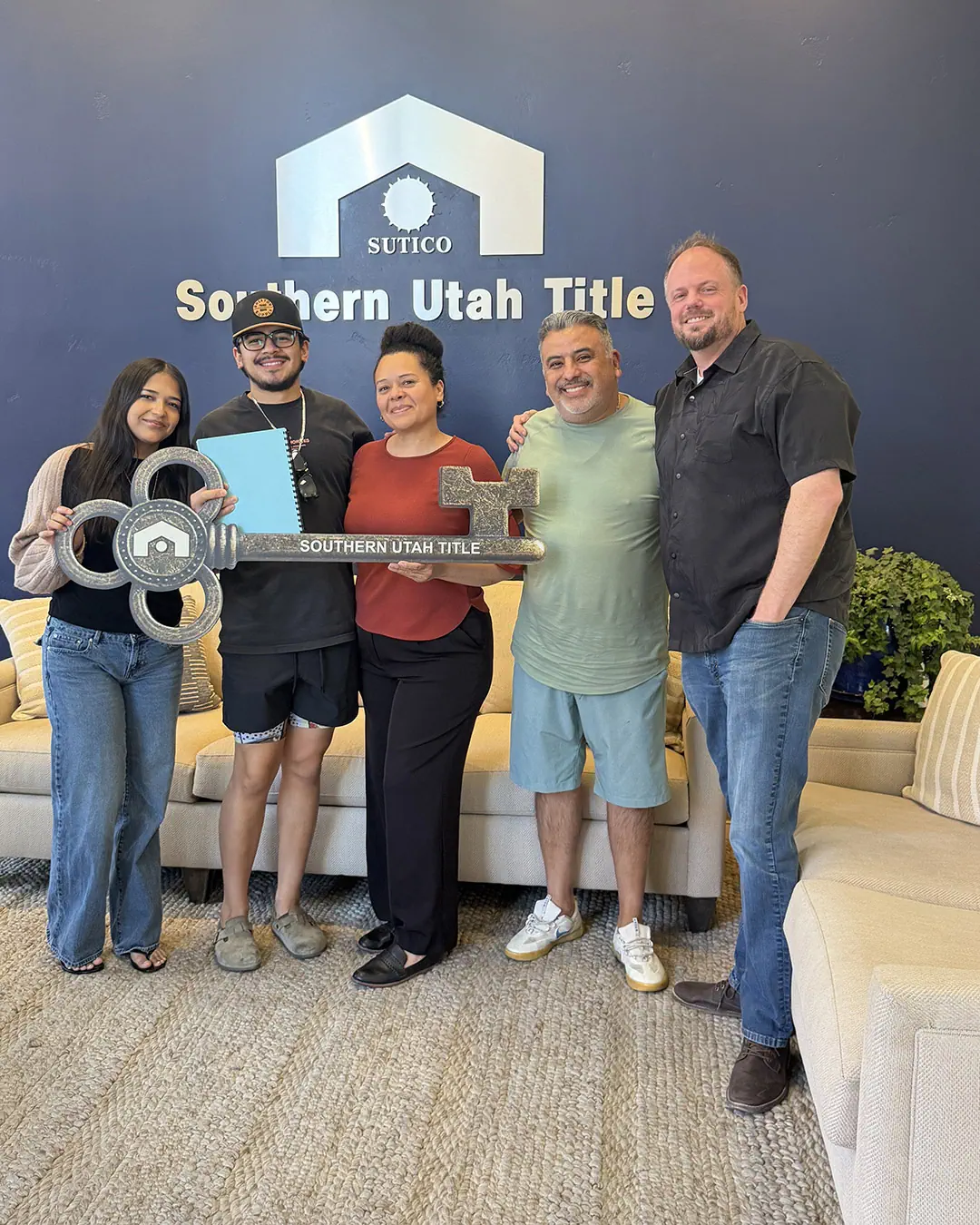
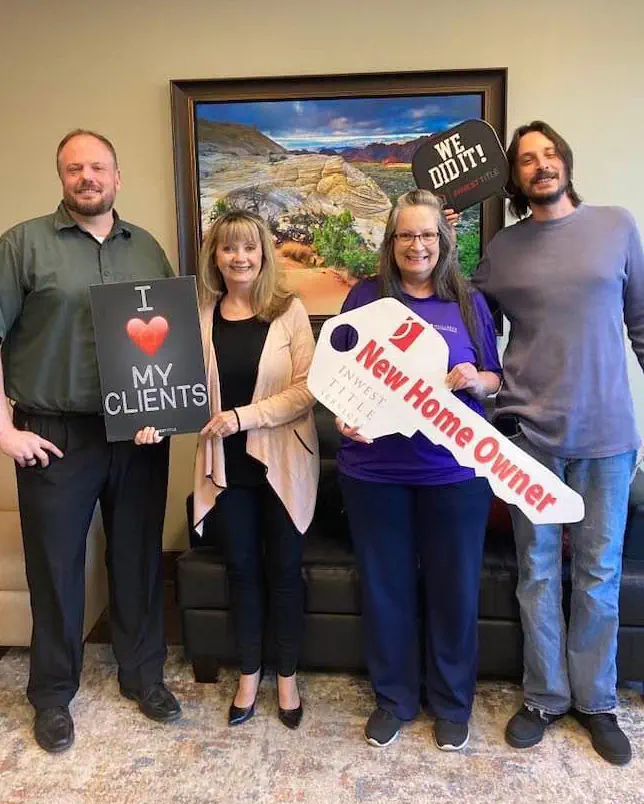
If you want a very competent, knowledgeable, personable, honest realtor, who has your back every step of the way, Scott is your guy! He leaves no stone unturned and genuinely has your best interests in mind at all times. He communicates every move. Working with Scott definitely made this the easiest and most stress free real estate transaction that I have ever experienced!! Thank you, Scott!!

Talk to Scott
Want a partner agent in Murray on your side?
I am Scott Buehler. My base is Southern Utah, so for a Murray move I connect you with a partner agent I trust who knows the streets. Tell me your budget, the part of town, and what you must have. I stay on your file for the homework and the loan side.
How it works in Murray
- Ask me about any listing.Send me a Murray listing you like. I will get the partner agent's read on it and tell you what to check before you write an offer.
- A partner agent on the ground.I connect you with a partner agent I trust in Salt Lake County for the showings, the offer, and the closing. I stay on your file.
- A lender's eye on the listing.I am licensed in both real estate and lending. On any one purchase I take one role. If I am your lender, I can tell you early if a home could be hard to get a loan on.
- A reply within one business day.Ask me about any home on this page. Call or text, and I get back to you within one business day.
Or call me: (435) 357-4345I reply within one business day.

Referral disclosure. Outside Southern Utah, I connect home sellers and buyers with partner agents I trust in their area. If you choose to work with an agent I refer, that agent's brokerage pays my brokerage (Real Broker, LLC) a referral fee. The fee comes out of the agent's compensation; it is not an added cost to you. You are always free to choose any agent you wish, and using a referred agent is never required.