
Live Midvale listings
Midvale homes for sale
Straight from the MLS, newest first, from every brokerage that takes part.
Browse Midvale homes by quick filter
Each filter is its own page, with a short local guide and the live listings that match.
The newest Midvale homes for sale
New listings show up here the day they go live. Homes that sell or go under contract drop off. Listing information comes from the local MLS and is deemed reliable but not guaranteed.
See a home you like? Save it with a free account, and get an email if its price changes.
Create my free accountThe market in numbers
What does a home in Midvale cost?
Short answerThe Census puts the typical Midvale home value at about $436,600. That is what owners say their homes are worth, not a sale price. About 57 percent of homes here are rented.
My market reports cover Southern Utah. For Midvale, these numbers come from public records: the U.S. Census and the Utah State Tax Commission. They move slower than sale prices, but anyone can check them.
Midvale is a small city in the middle of the valley, and it is mostly full. About 35 percent of homes are detached houses, and about 41 percent sit in buildings of five or more units. So houses for sale are a smaller share than the home count suggests. The homes come in four layers by age. There are cottages near Main Street and mid-century ranches on the east side. Houses from the 1970s to the 1990s sit toward Sandy. Townhomes and condos built since 2000 sit by the river.
Prices
- Typical home valueU.S. Census ACS 2020 to 2024, what owners say their homes are worth
- ~$436,600
- Property tax (primary home)Salt Lake County average, 2025, Utah State Tax Commission
- ~0.55%
The homes
- Homes that are rentedOf occupied homes, U.S. Census ACS 2020 to 2024
- About 57%
- Median year builtAbout 36% went up in 2000 or later, U.S. Census ACS 2020 to 2024
- 1987
The place
- PopulationU.S. Census, 2025 estimate
- ~36,100
- ElevationAt City Hall, higher on the east side
- About 4,350 ft
Getting around
- Drive to downtown Salt Lake CityAbout 12 miles north
- About 16 min
- TRAX stationsRed Line and Blue Line, every 15 minutes on weekdays
- Three
Sources: U.S. Census Bureau, American Community Survey 2020 to 2024 (typical home value, homes rented, year built) and 2025 population estimate; Utah State Tax Commission, 2025 (property tax); UTA (TRAX). Numbers checked October 15, 2026. Prices move, so ask me for current numbers.
If you are buying
Price a home against recent sales of homes like it nearby, not against the Census figure. A cottage, a ranch and a new condo each have their own loan, appraisal and insurance steps, so ask early. On the west side, ask for any recorded cleanup rules in the title papers.
If you are selling
Who buys depends on the home. Buyers look at the street, the age and the updates. About a third of owned houses here went up before 1960, so buyers ask what has been redone. Start with what homes like yours sold for in the last few months.
What is my home worth?I am licensed in both real estate and lending. On any one purchase I take one role. If I am your lender, I can tell you early if a home could be hard to get a loan on. You are always free to choose your own agent and your own lender. The full explanation is on How I Work.
Only in Midvale
What makes the Midvale market different?
Short answerThree train stations, a city that is mostly full, and old mill ground that came back as homes. Most new homes come from redevelopment by the river, and many homes here are rented.
Midvale has the lowest typical home value of these five towns. All four neighbors that touch it come in higher, from West Jordan across the river to Cottonwood Heights on the east side.
U.S. Census Bureau, American Community Survey 2020 to 2024: what owners say their homes are worth, not sale prices. Compare Salt Lake County and Utah County
Three stations, two lines
Bingham Junction is on the Red Line. Midvale Center and Midvale Fort Union are on the Blue Line. Trains come every 15 minutes on weekdays. Pick the station before you pick the street.
Most homes are rented
About 57 percent of occupied homes are rented. About 41 percent of homes are in buildings of five or more units, and about 35 percent are detached houses. A house with a yard is a smaller share of what lists.
The Superfund papers are routine
Two old smelter and mill sites are both off the federal list. Land at Bingham Junction and Jordan Bluffs can carry recorded cleanup rules that show up in the title papers. Ask for them and read them. It is a records item, not an alarm.
New homes come from redevelopment
There is almost no open land. Jordan Heights at View 78 sells condos with two or three bedrooms. Two other communities at Jordan Bluffs only rent. About 3,500 homes are planned at Jordan Bluffs, and those are plans, not promises.
The ZIP does not tell you the city
ZIP 84047 also reaches into Sandy and Cottonwood Heights. A home listed as Midvale can sit in another city, so check the city line for any address.
The low ground by the river
The county map marks the low ground between I-15 and the Jordan River as high for loose soil, which can weaken in a strong quake. Flood zones also follow the river on the west edge. Ask for a soils report near the river, and test any home for radon.
Shop by price
What does each budget buy in Midvale?
Short answerThe Census puts the typical home value at about $436,600. That is what owners say, averaged over five years. It lands in the first range below.
Under $550K
The starting pointCondos and townhomes, including the newer condos at Jordan Bluffs. Also cottages near Main Street and many of the 1970s to 1990s houses toward Sandy.See homes under $550KUnder $650K
Room to move upLarger or updated ranches and split-levels on the east side, between State Street and Fort Union Boulevard.See homes under $650KUnder $750K
The upper rangeThe largest or most updated houses on the east side and in the subdivisions toward Sandy. Sandy and Cottonwood Heights next door have higher typical values.See homes under $750KOver $750K
The top of the marketFew homes sit here, mostly large updated houses. Check that the address is inside Midvale, since ZIP 84047 also reaches into Sandy and Cottonwood Heights.See homes over $750KEach price page has its own live listings. If one has few homes, there are few in that range right now, and the page says so.
Shop by part of town
Which parts of Midvale should I look at first?
Short answerMidvale has no official map of named neighborhoods. It reads best from west to east: the river districts, Main Street, then the east side across I-15. The edges are approximate.
Bingham Junction
West of Main Street to the river, on the old Midvale Slag ground. It has offices, apartments, townhomes, Topgolf, a park and a Red Line station. Title papers can show cleanup rules.
Jordan Bluffs
Between Main Street and the river, on the old Sharon Steel mill ground. It has the Zions technology campus, a park and the View 78 condos. Jordan Heights condos are for sale.
Main Street and City Hall
The oldest shopping street, with about fifty murals, City Hall and a summer food truck plaza. Older homes stand on the blocks around it.
The older east side
Midvale City Park, the museum and two schools sit here, on an older grid of mid-century homes. Midvale Center station is on the Blue Line.
The east side
Mid-century ranches and split-levels run toward Fort Union Boulevard, the main shopping street, and the Cottonwood Heights line. Part of the far east side is in Sandy or Cottonwood Heights.
The middle and south
Both sides of State Street toward Sandy, with homes from the 1970s to the 1990s. Two elementary schools and the Copperview Recreation Center are here.
Every part of town, in the Midvale guide
The guide covers each area from the river to the east side, with what sits where and where the city lines run.
Read about the neighborhoodsLooking just outside town? See homes for sale in Murray, Sandy and West Jordan.
Selling in Midvale
Want to sell your home in Midvale?
List it with a partner agent I trust in Salt Lake County. Your home gets featured on MovingUtah. Buyers read these pages while they shop for a home in Midvale. I make the connection and stay involved. Commissions are always negotiable.
Start with what your home is worth. There is no cost, and you do not have to list.
Call or text (435) 357-4345. I reply within one business day.
Selling outside Southern Utah. In Iron, Washington, Kane, Garfield, and Beaver counties I am your listing agent. Elsewhere in Utah, I connect you with a partner agent I trust in that area. If you choose to work with an agent I refer, that agent's brokerage pays my brokerage (Real Broker, LLC) a referral fee out of their compensation, never an added cost to you. You are always free to choose any agent you wish, and using a referred agent is never required.
Shop by home type
What kind of home are you looking for?
Short answerSome searches are about the house, not the part of town. Each link below is its own page, with a short local guide and the live listings that match.
Homes with a basement
Many older houses here have a lower level. Read each listing for how much is finished. Ask about water near the river, and test for radon, which is common in this ZIP.
See the listingsSingle-story homes
Look at mid-century ranches on the east side toward Fort Union Boulevard and small older cottages near Main Street. Check whether the laundry or a bedroom is downstairs.
See the listingsTownhomes
About 14 percent of homes are townhomes or other attached homes. The newest are at Bingham Junction and Jordan Bluffs, near TRAX and the river trail. Ask whether a project sells homes or only rents them.
See the listingsNew construction
There is almost no open land. New homes are townhomes, condos and apartments in the two redevelopment areas, plus a few small projects. Jordan Heights at View 78 sells condos.
See the listingsRV parking homes
Check the lot and any city rules before you count on a place for a camper or a boat. The canyon park and rides are about 11 to 16 minutes away.
See the listingsADU and casita homes
These can be a basement apartment, an attached suite or a detached casita. Ask the city whether any unit is legal before you count on the rent.
See the listingsTwo-story homes
More bedrooms on a smaller lot. Look in the 1970s to 1990s subdivisions toward Sandy. Homes here are modest in size, with a median of 4.8 rooms.
See the listings3-car garage homes
Homes here are modest in size, so a third bay is uncommon. Filter for it instead of scrolling every listing.
See the listingsFAQ
Questions people ask about Midvale listings
They come from the local MLS feed and update through the day. New Midvale listings show up the day they go on the market. Homes that sell or go under contract drop off. It is the same data agents use.
Yes. It shows listings from every brokerage that takes part in the MLS, not just the homes one office has listed.
No. You can look at every listing without one. A free account is for when you want the site to keep watch for you.
You can save the homes you like and save your searches. You get an email when a new home fits your search or a price changes. You pick how often the emails come, and you can stop them any time.
The U.S. Census puts the typical Midvale home value at about $436,600 (ACS 2020 to 2024). That is what owners say their homes are worth, averaged over five years, not a sale price. It runs below Salt Lake City, Sandy and Cottonwood Heights. It covers condos and townhomes in the river districts, older cottages near Main Street, and mid-century houses on the east side. Prices move, so check it against the live listings.
My base is Southern Utah. For a Midvale move, I connect you with a partner agent I trust in Salt Lake County for the showings, the offer and the closing. I stay on your file for the homework and the loan side. If you work with an agent I refer, that agent's brokerage pays my brokerage a referral fee out of the agent's pay. It is not an added cost to you, and you are always free to choose any agent.
Not to look, and not to talk with me. You will want one before you write an offer. A pre-approval is a lender's letter that says how much you can borrow. Sellers take it seriously, and it settles your real budget. The pre-approval guide shows how it works.
List it with the partner agent I connect you with in Salt Lake County, and your home gets featured on MovingUtah. The get featured page shows how that works. A home valuation is a good first step.
Yes. Three stations sit inside the city: Bingham Junction on the Red Line, and Midvale Center and Midvale Fort Union on the Blue Line. Trains come every 15 minutes on weekdays and Saturdays. The newest homes near rail are condos and townhomes at Bingham Junction and Jordan Bluffs. Some of them only rent, so ask. Confirm the walk to the station for any one address.
Treat it as a records item, not an alarm. Two old smelter and mill sites on the west side are both off the federal list, one since 2004 and one since 2015. Land there can carry recorded rules about digging and groundwater, and they show up in the title papers. Ask for the papers and read them with your agent and title officer. The Midvale guide has the full history.
For more answers about living in Utah, see the Utah FAQ.
Client reviews
What a past client said
These are real reviews from past clients, shown as they wrote them.
Posted by past clients on Google and Experience.com.
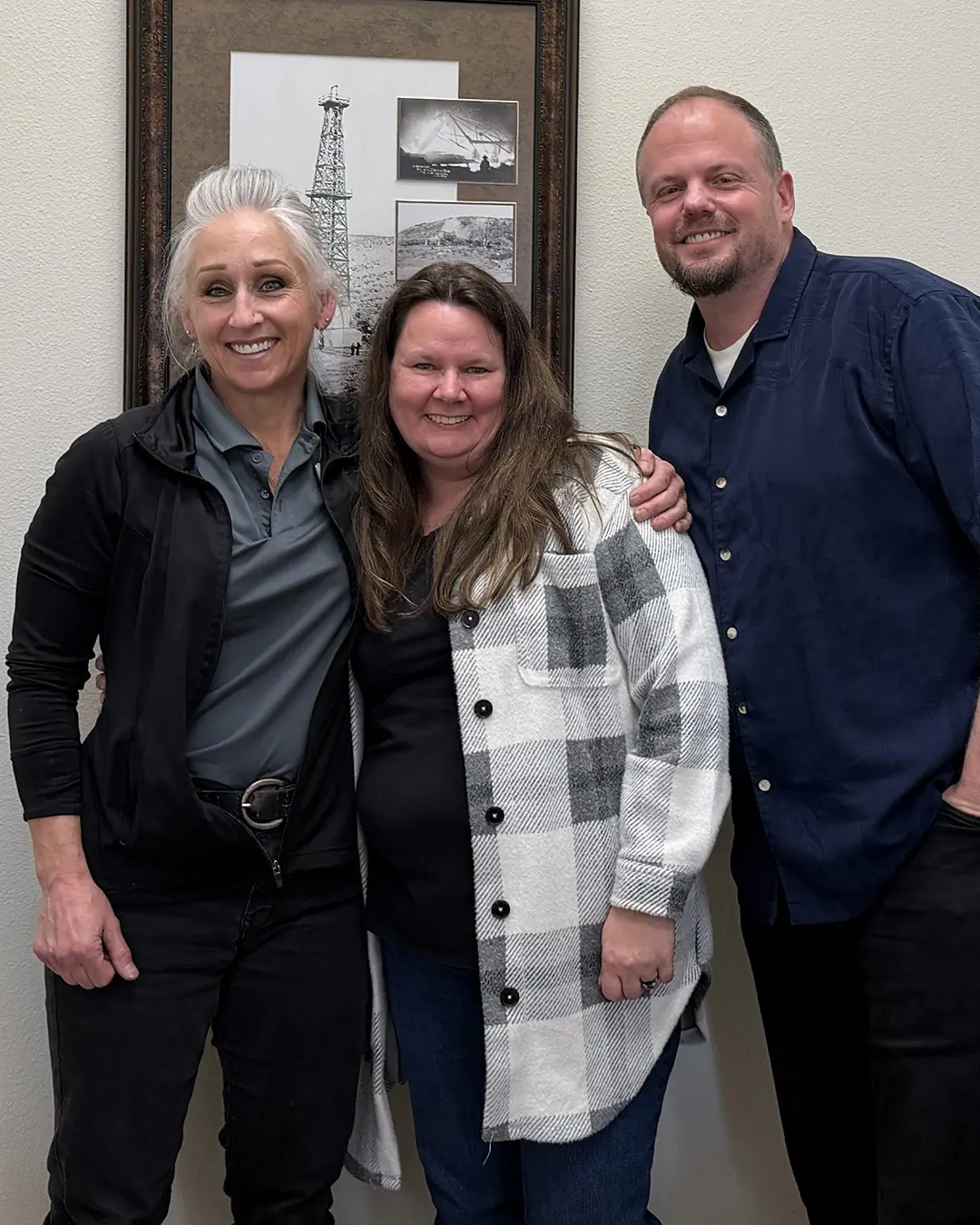
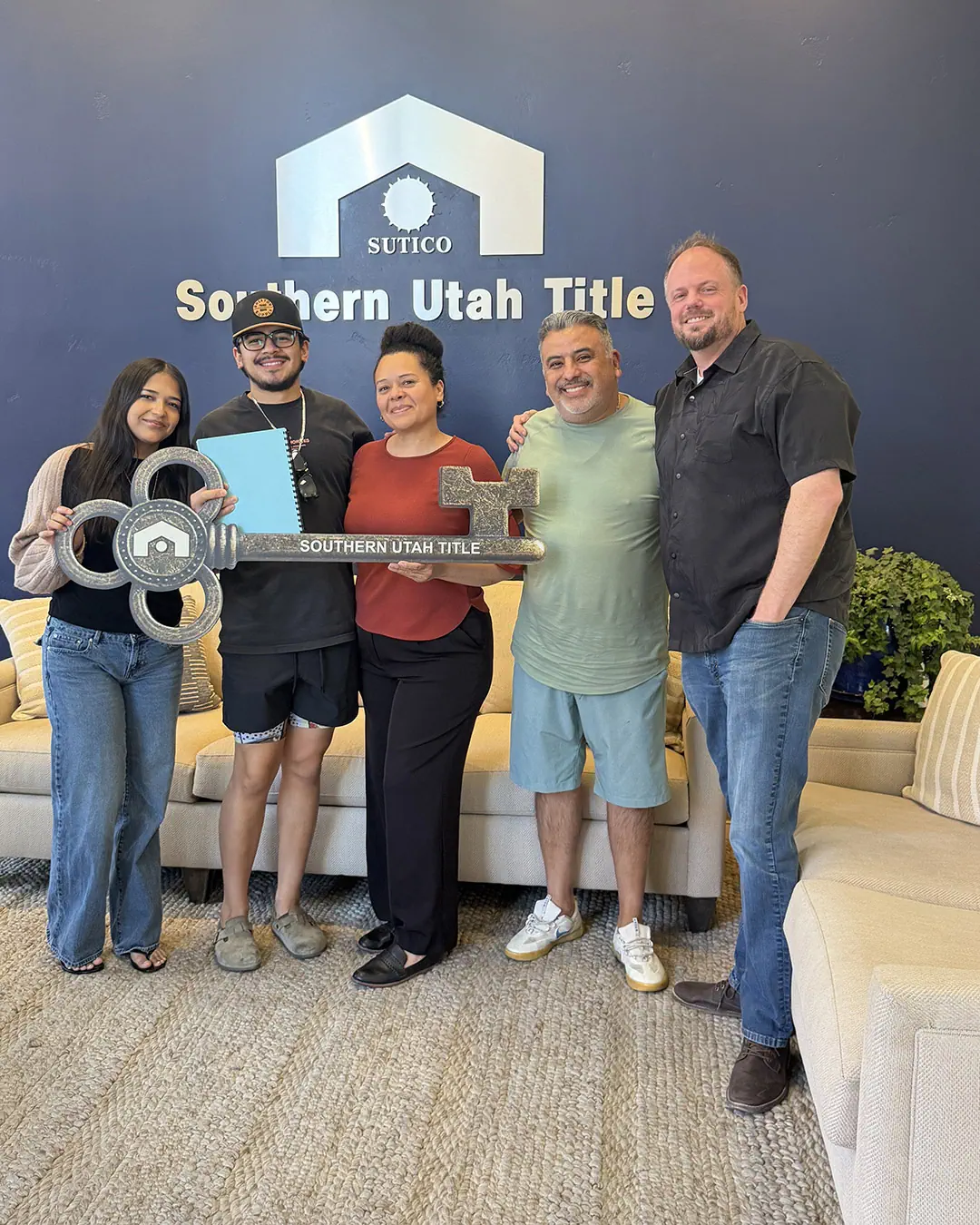
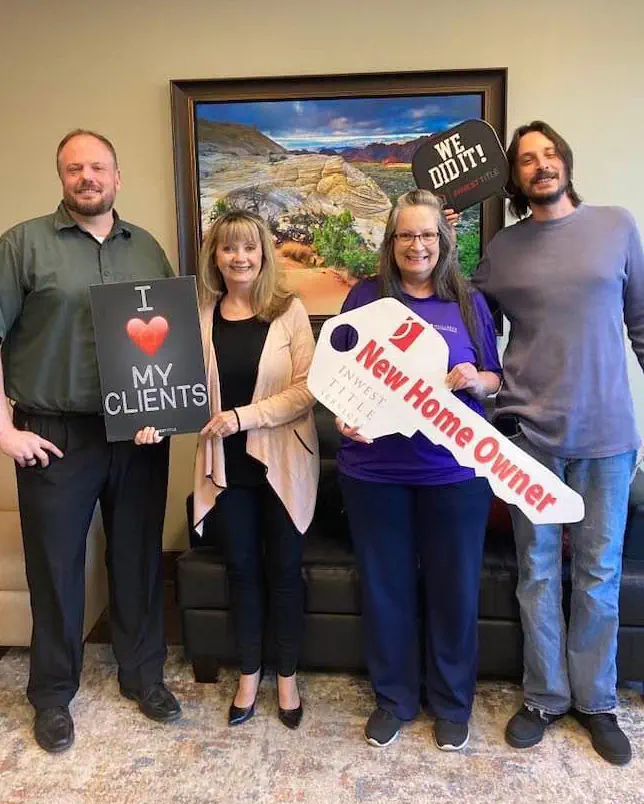
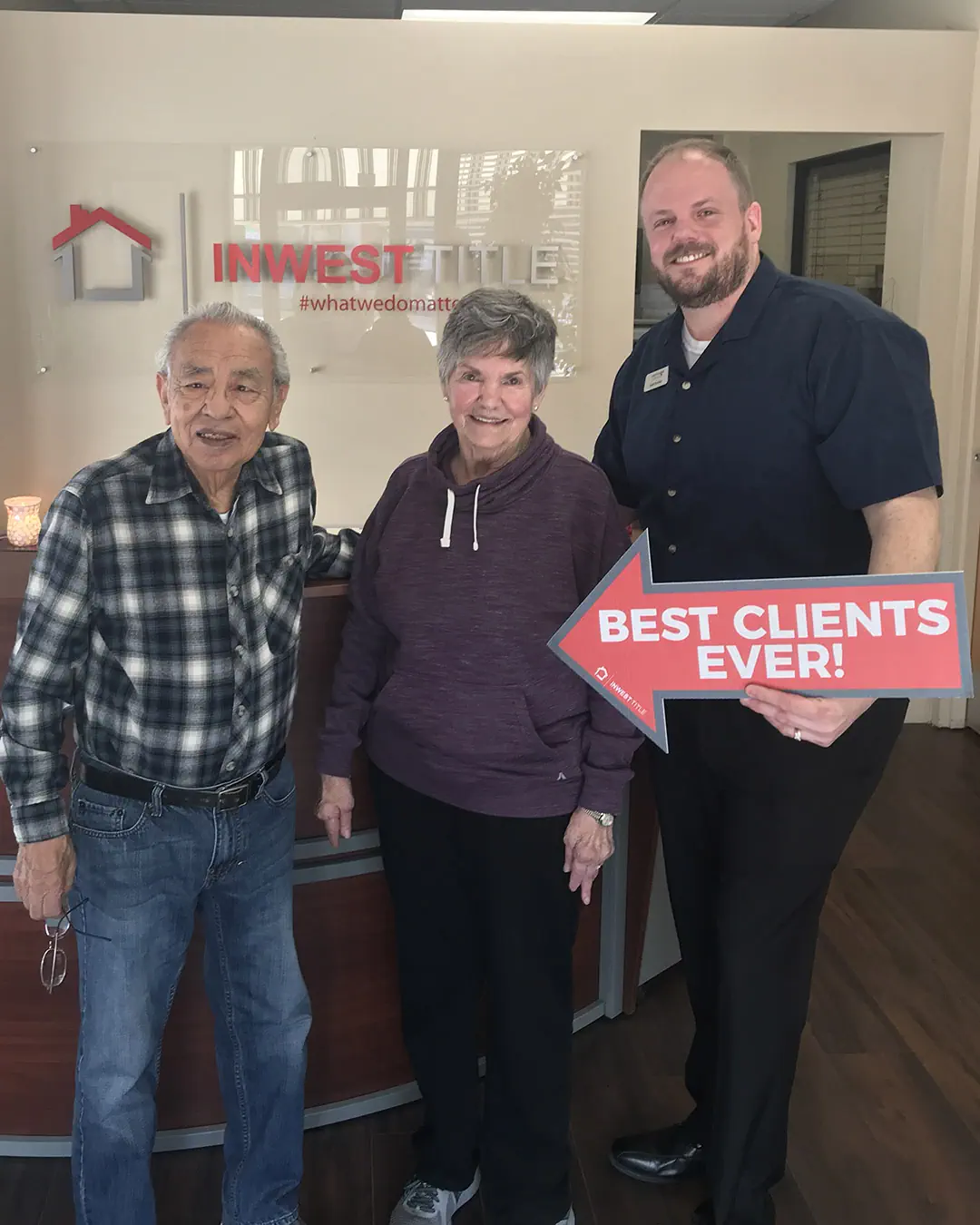
If you want a very competent, knowledgeable, personable, honest realtor, who has your back every step of the way, Scott is your guy! He leaves no stone unturned and genuinely has your best interests in mind at all times. He communicates every move. Working with Scott definitely made this the easiest and most stress free real estate transaction that I have ever experienced!! Thank you, Scott!!
Talk to Scott
Want a partner agent in Midvale on your side?
I am Scott Buehler. My base is Southern Utah, so for a Midvale move I connect you with a partner agent I trust who knows the streets. Tell me your budget, the part of town, and what you must have. I stay on your file for the homework and the loan side.
How it works in Midvale
- Ask me about any listing.Send me a Midvale listing you like. I will get the partner agent's read on it and tell you what to check before you write an offer.
- A partner agent on the ground.I connect you with a partner agent I trust in Salt Lake County for the showings, the offer, and the closing. I stay on your file.
- A lender's eye on the listing.I am licensed in both real estate and lending. On any one purchase I take one role. If I am your lender, I can tell you early if a home could be hard to get a loan on.
- A reply within one business day.Ask me about any home on this page. Call or text, and I get back to you within one business day.
Or call me: (435) 357-4345I reply within one business day.

Referral disclosure. Outside Southern Utah, I connect home sellers and buyers with partner agents I trust in their area. If you choose to work with an agent I refer, that agent's brokerage pays my brokerage (Real Broker, LLC) a referral fee. The fee comes out of the agent's compensation; it is not an added cost to you. You are always free to choose any agent you wish, and using a referred agent is never required.