
Cache Valley Logan
Home of the Cache County offices and Utah State University
Logan, where the canyon meets the valley floor
About 55,600 people at about 4,534 feet in the far north of Utah, with a university on the hill since 1888, a walkable downtown on Center and Main, and Logan Canyon opening at the eastern edge of town. Ten pages on the city itself, from the Aggie Creamery to First Dam, with the wider valley written once and linked.
 By Scott Buehler, Moving Utah
Updated October 2026
By Scott Buehler, Moving Utah
Updated October 2026
The short answer
Logan is a university town in a farming valley, and both halves of that sentence matter. Utah State University sits on the hill at the east side of town and shapes the calendar, the arts and a good share of the jobs, while the valley floor below it is still dairy country ringed by mountains. The city keeps its center on Center and Main, the canyon opens right at the edge of downtown, and the mountains hold the weather in, for better in summer and worse in a winter inversion. This hub is the map to ten deeper pages, and it hands the full canyon, Bear Lake and the ski hills to the wider Cache Valley pages that all the valley towns share.
The shape of it
A campus on the bench, a downtown below it, and a canyon at the end of the street
The city reads west to east and low to high. The valley floor is the flat farmland on the west, the airport side, dropping toward the wetlands where the Little Bear and the Bear River drain the basin. Downtown holds the middle, laid out on the wide pioneer grid around Center and Main, and then the ground tilts up to the east bench where Utah State University sits on the hill above everything. Keep walking east and the streets run straight into the mouth of Logan Canyon. That single fall of land, farm to town to campus to canyon in a couple of miles, is the whole geography of the place.
Bench or floor is the distinction that ends up mattering most to anyone living here. The east bench sits higher, catches the views back across the valley, and rides above the worst of the winter haze when cold air pools on the floor. The floor is closer to downtown, the river and the older neighborhoods. The neighborhoods page maps the six council neighborhoods, the low pocket called the Island by First Dam, and the campus blocks, and it does so by housing stock and era rather than by who lives where.
This hub stays at the level of the map and hands the detail to the pages below. The university, its museum and its game day belong to the USU page. The theatre, the market and the working main street belong to historic downtown. First Dam, the river trail and the in-town parks belong to the parks and river page. And the practical side of a move, the cost of living, the neighborhoods for buyers and the schools, lives on the Logan city guide.
Farm to town to campus to canyon in a couple of miles. That fall of land is the whole geography of Logan.
The wider valley
The canyon, the lake and the mountains are written once, for the whole valley
Logan shares its scenery with every town in Cache Valley, so the big shared subjects sit at the region level rather than getting retold on each city page. These six carry them. This hub names them and links out, and keeps its own pages close to town.

Up US-89
Logan Canyon
The byway from the canyon mouth up to Tony Grove and the summit.
Read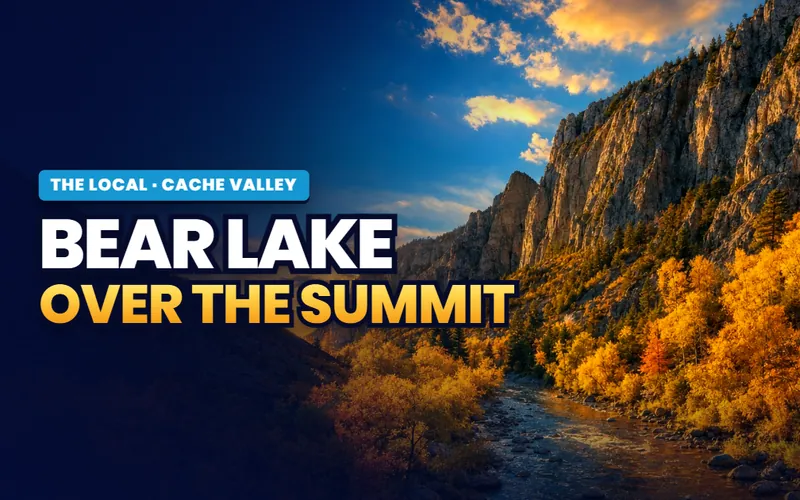
Over the summit
Bear Lake
The turquoise lake and the raspberry shakes, an hour past the canyon.
Read
The valley's engine
Utah State and Aggie country
The university as the economy of the whole valley, beyond a campus visit.
Read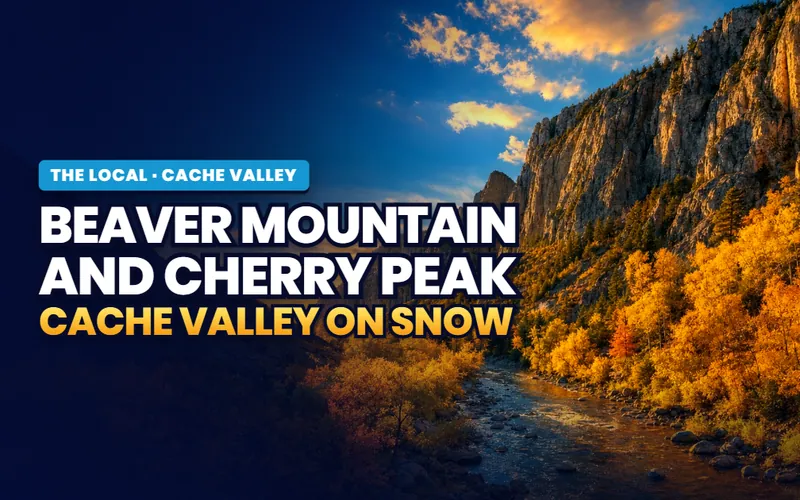
The ski hills
Beaver Mountain and Cherry Peak
The valley's two ski areas, family sized and close to town.
Read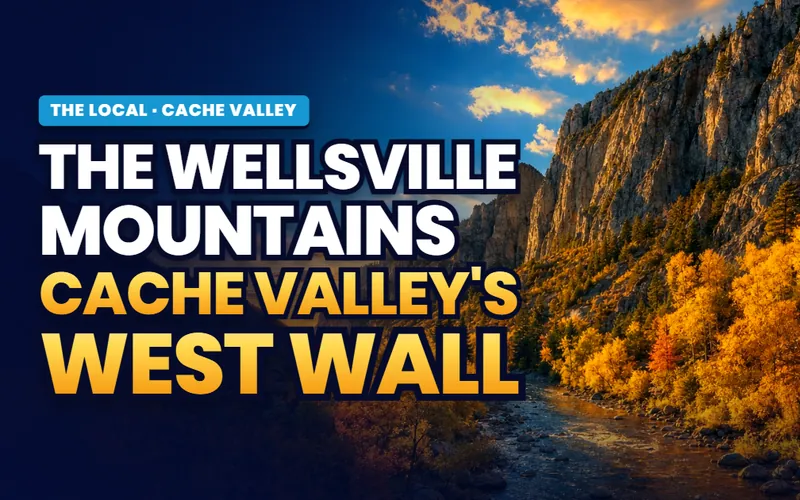
The west wall
The Wellsville Mountains
The steep range on the valley's west side and its high ridgeline trail.
Read
Dairy and cheese
Cache Valley farm country
The dairies, the cheese and the American West Heritage Center.
ReadAll six sit under the Cache Valley region hub, which is the front door to every town in the valley.
The Logan companion
Ten pages on the city itself, from the creamery to the temple
Everything The Local has written about Logan itself: the ranked things to do, the lived texture of a university town, the neighborhoods, the working downtown, the year's events, the zoo and its park, the food institutions, the parks and the river, the pioneer heritage, and the university on the hill. Each is its own page, and this is the map to all of them.

Things to do
Top 15 things to do
Ranked picks in town and up the canyon, each with a cost and a drive time.
Read
The lived texture
Living in Logan
The academic-year rhythm, the winter inversion, and how the city runs.
Read
Bench and floor
Logan neighborhoods
The six council neighborhoods, the Island, and bench versus valley floor.
Read
Center and Main
Historic downtown Logan
A working main street, the Ellen Eccles Theatre and the Gardeners' Market.
Read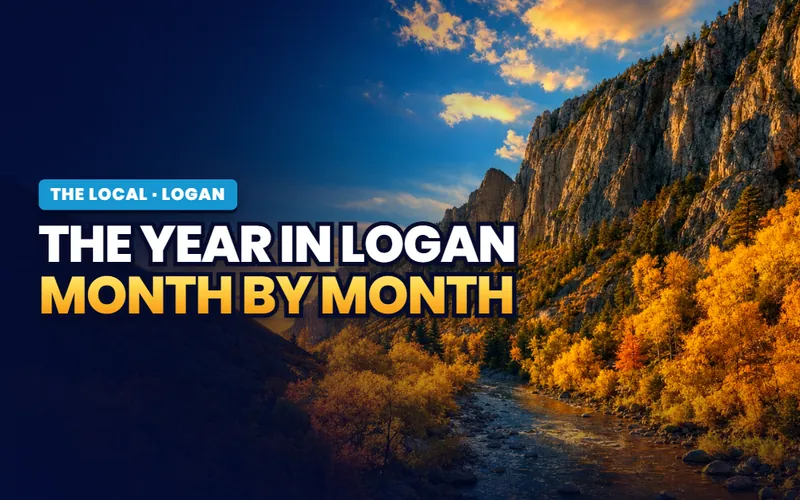
Month by month
Events and annual calendar
Summerfest, the Cruise-In, the county fair and the market season.
Read
By the fairgrounds
Zootah and Willow Park
A seven acre zoo, duck ponds and playgrounds for an easy afternoon.
Read
The institutions
Where Logan eats
The food landmarks, from Aggie Ice Cream to Herm's Inn and Caffe Ibis.
Read
Along the water
Parks, trails and river
First Dam, the river trail and the in-town parks along the Logan River.
Read
On the bench
Temple and pioneer history
The 1884 temple, the tabernacle and how the pioneers laid out the grid.
Read
On the hill
Utah State University and Logan
Old Main, the free art museum, Aggie game day and the move to the Pac-12.
ReadWeighing a move, not a visit?
The Logan city guide carries the prices, the neighborhoods for buyers, the schools and the live listings.
Scott Buehler
Moving Utah About Scott
Quick answers
Logan, answered
Utah State University and the valley it anchors. Logan holds the Cache County offices in the far north of Utah, and is home to USU since 1888, with a working downtown on Center and Main and the mouth of Logan Canyon at its eastern edge. It is the largest city in Cache Valley, and most of what draws people here is either on the campus, on the historic main street, or a short drive up the canyon.
The 2020 census counted 52,778 people, which makes Logan the largest city in Cache Valley and one of the ten largest in Utah. The wider Logan metropolitan area, which reaches across Cache County and into Franklin County, Idaho, held about 148,000 at the same count. Utah State University adds a large student population on top of that during the academic year.
Logan sits in the northeast corner of Utah, in Cache Valley, about 80 miles north of Salt Lake City. The drive runs roughly an hour and a half by car, north on I-15 and then east over the ridge on US-91, and there is no interstate into the valley itself. The nearest large commercial airport is Salt Lake City International.
More than a town its size usually carries, because the university brings the arts with it. There is a cone at the Aggie Creamery, the Ellen Eccles Theatre and its summer opera festival, a seven acre zoo at Willow Park, a fifty meter outdoor pool, a free art museum on campus, First Dam at the canyon mouth, and a downtown you can walk end to end. The ranked list on this companion puts fifteen of them in order.
Yes. Utah State University sits on the hill at the eastern edge of the city, above downtown, and it has been there since 1888. The campus is open to visitors, with Old Main and its lit Block A on the skyline, the free Nora Eccles Harrison Museum of Art, the Aggie Creamery, and the athletics venues. The university page in this companion covers what is worth a visit and how game day works.
Cache Valley sits in a bowl, and in winter cold air settles on the valley floor and traps pollution under a lid of haze, an inversion that can last for days. The valley regularly rates among the worst in the country for short term particle pollution during those spells. Homes on the east bench sit above the worst of it, and the living in Logan page covers how residents track and cope with it.
It has a general aviation field, the Logan-Cache Airport on the west side of town, but no scheduled passenger flights. Travelers fly in and out of Salt Lake City International, about 85 miles south, and drive the rest of the way up the valley.
It is a hub and ten guides. This page is the overview and the map to the rest: the ranked things to do, living in Logan, the neighborhoods, historic downtown, the events calendar, Zootah and Willow Park, where Logan eats, the parks and river, the temple and pioneer history, and Utah State University. The wider valley, the full canyon drive, Bear Lake and the ski hills are written once at the Cache Valley region level and linked from here.
A university town worth getting right
Logan asks a household its own set of questions: bench or valley floor, how much the winter inversion will weigh on you, whether the academic-year rhythm fits your work, and what an hour and a half from Salt Lake City really means day to day. Tell me what you are weighing and I will introduce you to a Cache County partner agent who knows this valley, and stay on the file for the research and the financing side.
Or call Scott: (435) 357-4345or send Scott a message
Keep going
Continue your Logan research
Eight more doors into Logan, chosen for what this page covers.
Questions about Logan?
Call Scott, send a message, or find out what your Logan home is worth. No pressure, no obligation.
Referral Disclosure: For moves outside Southern Utah, I can connect you with trusted local agents. If you choose to work with one, their brokerage pays my brokerage (Real Broker, LLC) a referral fee from their commission. This costs you nothing extra, and you are never obligated to use my referral.