
Live Cedar Hills listings
Cedar Hills homes for sale
Straight from the MLS, newest first, from every brokerage that takes part.
Browse Cedar Hills homes by quick filter
Each filter is its own page, with a short local guide and the live listings that match.
The newest Cedar Hills homes for sale
New listings show up here the day they go live. Homes that sell or go under contract drop off. Listing information comes from the local MLS and is deemed reliable but not guaranteed.
See a home you like? Save it with a free account, and get an email if its price changes.
Create my free accountThe market in numbers
What does a home in Cedar Hills cost?
Short answerThe Census puts the typical Cedar Hills home value at about $645,600. That is what owners say their homes are worth, not a sale price. Almost every home for sale is a resale, since almost no land is left to build on.
My market reports cover Southern Utah. For Cedar Hills, these numbers come from public records: the U.S. Census and the Utah State Tax Commission. They move slower than sale prices, but anyone can check them.
Almost every sale here is a resale, and only a few homes are for sale at one time. So recent sales of similar homes nearby are the best guide. The Census survey counts 2,651 homes. About 84 percent are detached houses, and about 12 percent, one in eight, are townhomes and twin homes. About 89 in 100 occupied homes are lived in by their owners, against 68 in the county. Most homes went up from the mid-1990s to about 2009, and the median home was built around 2004. Most lots are about a quarter acre, with a half-acre block in the center-south and the hillside zone on the east side.
Prices
- Typical home valueU.S. Census ACS 2020 to 2024, what owners say their homes are worth
- ~$645,600
- Property tax (primary home)Utah County average, 2025, Utah State Tax Commission
- ~0.49%
The homes
- Lived in by their ownersOf occupied homes, U.S. Census ACS 2020 to 2024; Utah County is 68%
- About 89%
- Median year builtU.S. Census ACS 2020 to 2024; most homes went up from the mid-1990s to about 2009
- 2004
The place
- PopulationU.S. Census, 2025 estimate; 10,019 at the 2020 count
- ~9,800
- ElevationAt City Hall; homes run from about 4,850 to 5,300 ft
- About 5,000 ft
Getting around
- Drive to Salt Lake CityAbout 34 miles north on I-15
- About 38 min
- Drive to LehiSilicon Slopes and Thanksgiving Point; there is no freeway in town
- About 15 min
Sources: U.S. Census Bureau, American Community Survey 2020 to 2024 (typical home value, owner share, home types, year built) and 2025 population estimate; Utah State Tax Commission, 2025 (property tax); Cedar Hills City (zoning, yard water). Numbers checked October 15, 2026. Prices move, so ask me for current numbers.
If you are buying
Price a home against recent sales of similar homes nearby, not the Census figure. On a higher view lot, weigh the grade, the drainage and the snow on a sloped driveway along with the view. Ask how the yard water is metered and what the bills have run. The USDA map shows every Cedar Hills point tested inside its ineligible area, so look at conventional, FHA and VA loans. Get pre-approved first. With few homes for sale, being ready helps you act.
If you are selling
Who buys depends on the home. An established 1990s or 2000s home sells on its condition. A higher view lot sells on its view, its slope and its drainage. A townhome is weighed against other townhomes. Say what yard water comes with the lot and how it is metered. Start with what homes like yours sold for recently. A good first step is a home valuation.
What is my home worth?I am licensed in both real estate and lending. On any one purchase I take one role. If I am your lender, I can tell you early if a home could be hard to get a loan on. You are always free to choose your own agent and your own lender. The full explanation is on How I Work.
Only in Cedar Hills
What makes the Cedar Hills market different?
Short answerA small hillside city with almost no land left. Few homes are for sale at once, and the lot, the slope and the yard water matter as much as the house.
By the Census measure, Cedar Hills has the second highest typical home value of these five towns. Highland, next door to the north, is about $283,000 higher. Lehi is close, about $33,000 lower. American Fork and Pleasant Grove run about $150,000 lower.
U.S. Census Bureau, American Community Survey 2020 to 2024: what owners say their homes are worth, not sale prices. Compare Utah and Salt Lake counties
Almost no land is left
The city's housing plan says most land is built, has plans filed, or is too hilly to build on. So almost every sale is a resale, and new homes are mostly custom builds on the last lots. Two small projects went before the Planning Commission in 2026: Monson Farms, in the half-acre zone, and The Cedars Townhomes Plat E Phase 5, in the hillside zone. No builder is named, and no outcome is on the record.
Two water systems, yard water on a meter
Most homes have a city line for drinking water and a second line for the yard. The yard line is not drinkable. Since July 1, 2025, it is billed by metered use. There is a base of $38.58 a month plus $5 per acre of lot, billed all year, plus use charges while the system runs, usually April 15 to October 15. The city raised the top steps in May 2026 because of drought.
A town that climbs
City Hall sits at about 5,000 feet. Homes run from about 4,850 feet on the southwest streets to about 5,300 on the east side, about 450 feet of climb. A normal year brings about 74 inches of snow. Many driveways slope, so look at the driveway, the walks and the drainage.
Check the maps on the east side
Traces of the Wasatch fault run along the east side. About a third of the city sits in the state's fault study zone, and older landslide outlines cover about an eighth, all on the east side. The west side, the shopping corner and the south flats have none. FEMA maps no flood zone in town. In ZIP 84062, 40.7 percent of radon tests ran at or above the fix-it level, so test every home. Utah law does not require agents to check ground hazards.
A new school district in 2027
Alpine School District runs the schools through June 30, 2027. Aspen Peaks School District takes over on July 1, 2027. Aspen Peaks has not set its tax levy yet. Deerfield's area reaches into Pleasant Grove, which joins a different new district, Timpanogos. Confirm the school by address.
The city raised its tax rate for 2026
The City Council adopted a higher city rate on August 18, 2026, and the vote was unanimous. The city put the increase at about $54 a year for its average home. The golf course debt charge went down at the same time, so the city says the net change is about $13 a year.
Shop by part of town
Which part of Cedar Hills should I look at first?
Short answerCedar Hills has no branded neighborhood map, so the useful map is the ground and the roads. Homes span about 450 feet of height, from the south streets up to the east side.
The shopping corner and the west side
About 4,890 feet. Walmart and the food and coffee places are on the 4800 West corner. Cedar Ridge School, Forest Creek Park and Heritage Park are here. Forest Creek, Cedar Cove Estates and Juniper Heights sit on quarter-acre lots. Lone Peak High is just over the line in Highland.
The lower streets toward American Fork and Pleasant Grove
About 4,835 to 4,890 feet, the lowest ground in town. Deerfield School is on Harvey Boulevard. Harvey Park has a splash pad, and Sunset, Cedar Run and Val Vista parks are here too. Landmark Estates, Apple Blossom, Cedar Run, Temple Ridge and Orchard Place are here, with a half-acre block in the middle. The Murdock Canal Trail's Canyon Road trailhead is on the south edge, about 4 minutes from City Hall.
The north end around the golf course
About 5,100 to 5,150 feet. Cedar Hills Golf Club, Mesquite Park and Hayes Park are here, and The Cedars homes sit on the loop streets around the course. SR-92 runs along the north line. The course is front nine only through 2026, and the city plans all 18 holes again in spring 2027.
The east side above Canyon Road
Up to about 5,300 feet. City Hall is at the Canyon Road corner. The Cedars Townhomes and Red Oaks are here, with Doral Park. The highest streets include North Morgan Boulevard, Sage Vista Lane, Colonial Drive and Avondale Drive. The hillside rules apply on the higher streets toward the canyon.
The Canyon Road strip
In the hillside zone. Homes sit along and above Canyon Road toward the Manila side of Pleasant Grove, around Canyon Heights, Avanyu Acres and Pinnacle Point, with Heiselt's Hollow Park. The mapped fault and the old landslide outlines sit in this strip. Canyon Road was SR-146 until 2014 and is a local road now.
Check the city line
Cedar Hills and Pleasant Grove both use ZIP 84062, so the ZIP never tells you the city. For a home near the south edge, check the city line on a map. Check the school for the exact address too.
Every part of town, in the Cedar Hills guide
Grade, views and the hazard maps change street by street. So the partner agent walks the lot with you, and I stay on the homework behind it.
Read about the neighborhoodsLooking just outside town? See homes for sale in Highland, Pleasant Grove and American Fork.
Selling in Cedar Hills
Want to sell your home in Cedar Hills?
List it with a partner agent I trust in Utah County. Your home gets featured on MovingUtah. Buyers read these pages while they shop for a home in Cedar Hills. I make the connection and stay involved. Commissions are always negotiable.
Start with what your home is worth. There is no cost, and you do not have to list.
Call or text (435) 357-4345. I reply within one business day.
Selling outside Southern Utah. In Iron, Washington, Kane, Garfield, and Beaver counties I am your listing agent. Elsewhere in Utah, I connect you with a partner agent I trust in that area. If you choose to work with an agent I refer, that agent's brokerage pays my brokerage (Real Broker, LLC) a referral fee out of their compensation, never an added cost to you. You are always free to choose any agent you wish, and using a referred agent is never required.
Shop by home type
What kind of home are you looking for?
Short answerSome searches are about the house, not the part of town. Each link below is its own page, with a short local guide and the live listings that match.
Townhomes
About 12 percent of homes, one in eight, are townhomes and twin homes. The Cedars Townhomes are on the east side. Few list at once, so a saved search helps. Compare a townhome with other townhomes.
See the listingsSingle-story homes
Many driveways slope, so look at the driveway, the walks and the drainage, and ask how the owner clears snow. Read the plan to see whether there is a lower level, and test any home for radon.
See the listingsTwo-story homes
Most homes went up from the mid-1990s to about 2009, and the median home was built around 2004. About 84 percent are detached houses on lots of about a quarter acre. Condition varies with age, so inspect the home, not just the view.
See the listingsNew construction
New homes are mostly custom builds on the last lots. You are often buying a lot first, so line up the lot checks before design: drinking water, yard water, grade and drainage, hazard maps and the school. Builders often cover the buyer agent fee, and your agent puts it in writing.
See the listingsMountain view homes
Mount Timpanogos is to the east. The higher streets toward the canyon often have the longest views and the most slope, so weigh the grade, the drainage and the snow on a sloped driveway along with the view. Most of the higher ground is on the east side, where the fault and slide maps apply.
See the listingsADU and casita homes
A city rule from 2018 allows backyard cottages (ADUs) in nearly every residential zone. The Planning Commission reviewed the rules again in 2026. Check the current rule and the permits before you count on one.
See the listingsBasement homes
Many lots slope. On a sloped lot, ask how water leaves the site and look at the drainage. In ZIP 84062, 40.7 percent of radon tests ran at or above the fix-it level, so test every home.
See the listings3-car garage homes
American Fork Canyon is about 3 minutes up SR-92, and Tibble Fork about 19. On a sloped lot, check how the driveway handles snow and ice.
See the listingsViews and luxury
FAQ
Questions people ask about Cedar Hills listings
They come from the local MLS feed and update through the day. New Cedar Hills listings show up the day they go on the market. Homes that sell or go under contract drop off. It is the same data agents use.
Yes. It shows listings from every brokerage that takes part in the MLS, not just the homes one office has listed.
No. You can look at every listing without one. A free account is for when you want the site to keep watch for you.
You can save the homes you like and save your searches. You get an email when a new home fits your search or a price changes. You pick how often the emails come, and you can stop them any time.
The U.S. Census puts the typical Cedar Hills home value at about $645,600 (ACS 2020 to 2024). That is what owners say their homes are worth, averaged over five years, not a sale price. Homes run from townhomes, about one in eight, to houses from the 1990s and 2000s on quarter-acre lots, to higher view lots toward the canyon. Compare a townhome with other townhomes. Check the number against the live listings.
My base is Southern Utah. For a Cedar Hills move, I connect you with a partner agent I trust in Utah County for the showings, the offer and the closing. I stay on your file for the homework and the loan side. If you work with an agent I refer, that agent's brokerage pays my brokerage a referral fee out of the agent's pay. It is not an added cost to you, and you are always free to choose any agent.
The city covers about 2.7 square miles and almost no land is left. So almost every sale is a resale, and only a few homes are for sale at once. Get your financing ready, and act when the right home lists.
Too few homes sell at once to split by price. Judge each home by recent sales of similar homes nearby. Send me one you like, and I will tell you what I would check first.
Not to look, and not to talk with me. You will want one before you write an offer. A pre-approval is a lender's letter that says how much you can borrow. Sellers take it seriously, and it settles your real budget. The pre-approval guide shows how it works. The USDA map shows every Cedar Hills point tested inside its ineligible area, so look at conventional, FHA and VA loans. The loan guide explains the choices.
List it with the partner agent I connect you with in Utah County, and your home gets featured on MovingUtah. The get featured page shows how that works. A home valuation is a good first step.
Most homes have a city line for drinking water and a pressurized irrigation line for the yard, which is not drinkable. Since July 1, 2025, the yard line is billed by metered use. There is a monthly base set by lot size, billed all year, plus use charges while the system runs, usually April 15 to October 15. The Cedar Hills guide has the details.
For more answers about living in Utah, see the Utah FAQ.
Client reviews
What a past client said
These are real reviews from past clients, shown as they wrote them.
Posted by past clients on Google and Experience.com.
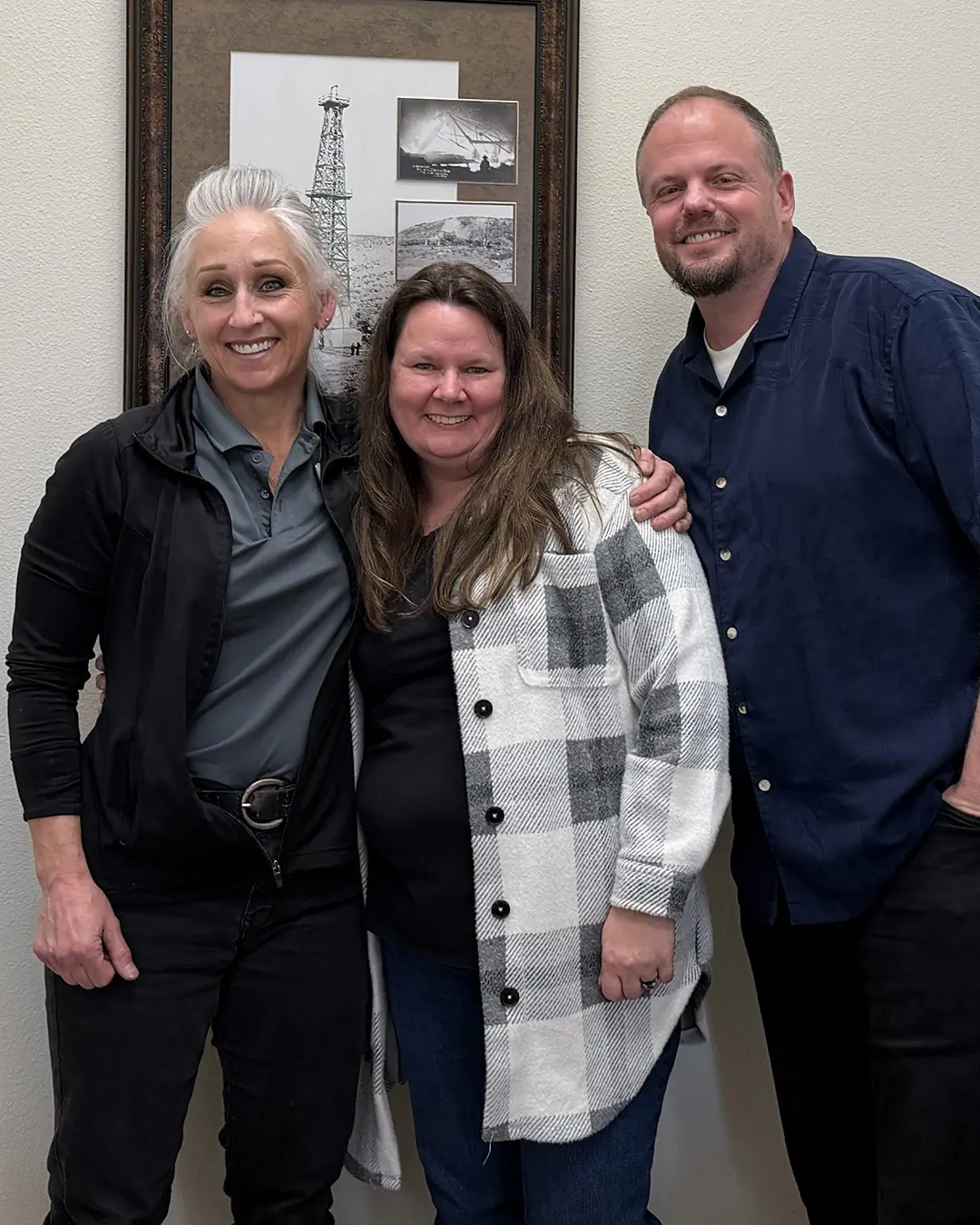
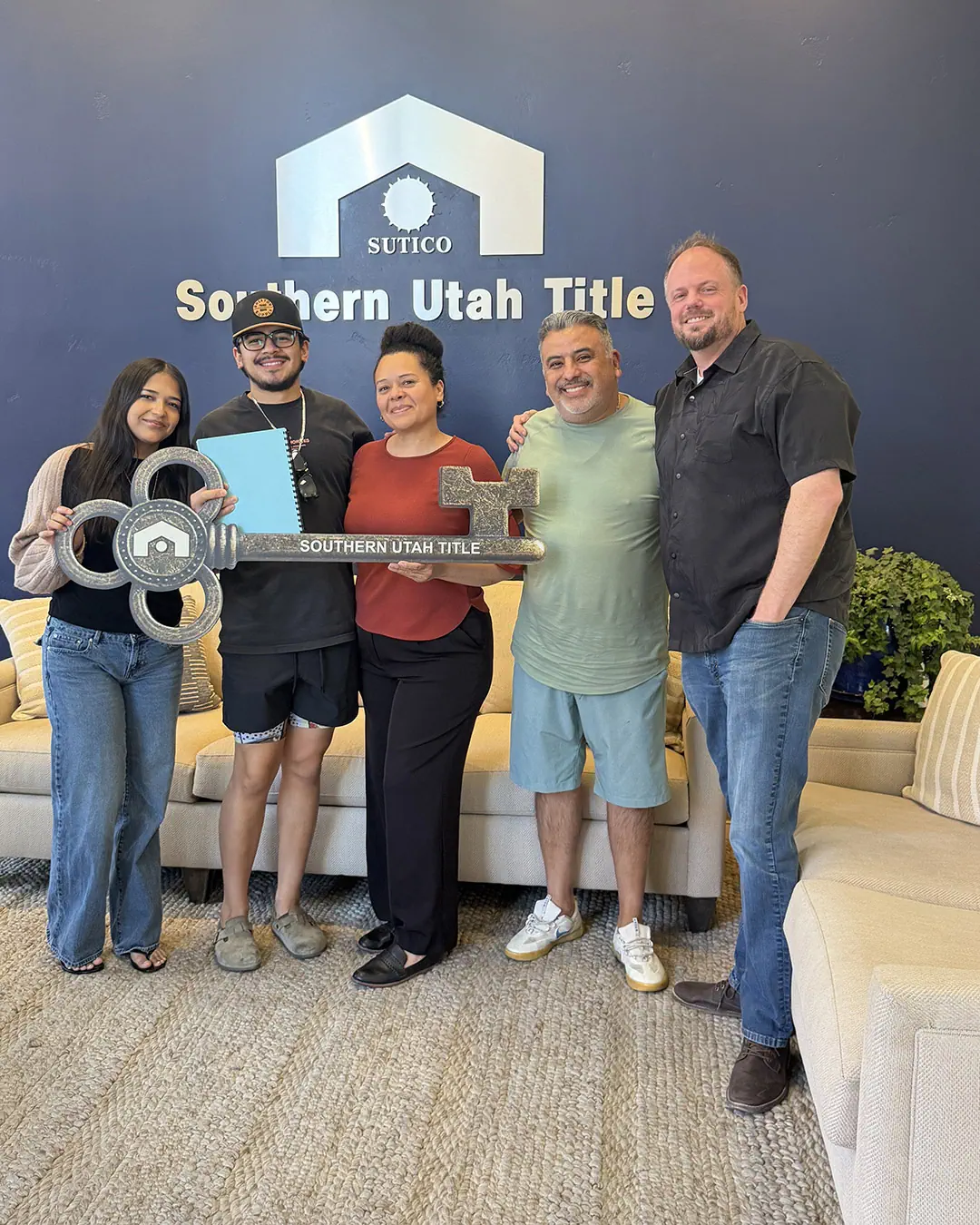
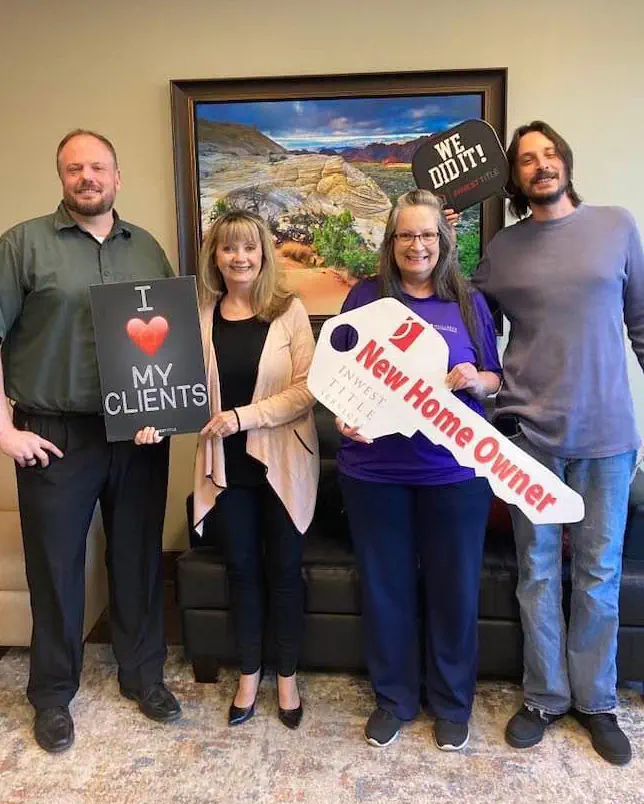
If you want a very competent, knowledgeable, personable, honest realtor, who has your back every step of the way, Scott is your guy! He leaves no stone unturned and genuinely has your best interests in mind at all times. He communicates every move. Working with Scott definitely made this the easiest and most stress free real estate transaction that I have ever experienced!! Thank you, Scott!!

Talk to Scott
Want a partner agent in Cedar Hills on your side?
I am Scott Buehler. My base is Southern Utah, so for a Cedar Hills move I connect you with a partner agent I trust who knows the area. Tell me your budget, the part of town, and what you must have. I stay on your file for the homework and the loan side.
How it works in Cedar Hills
- Ask me about any listing.Send me a Cedar Hills listing you like. I will get the partner agent's read on it and tell you what to check before you write an offer.
- A partner agent on the ground.I connect you with a partner agent I trust in Utah County for the showings, the offer, and the closing. I stay on your file.
- A lender's eye on the listing.I am licensed in both real estate and lending. On any one purchase I take one role. If I am your lender, I can tell you early if a home could be hard to get a loan on.
- A reply within one business day.Ask me about any home on this page. Call or text, and I get back to you within one business day.
Or call me: (435) 357-4345I reply within one business day.

Referral disclosure. Outside Southern Utah, I connect home sellers and buyers with partner agents I trust in their area. If you choose to work with an agent I refer, that agent's brokerage pays my brokerage (Real Broker, LLC) a referral fee. The fee comes out of the agent's compensation; it is not an added cost to you. You are always free to choose any agent you wish, and using a referred agent is never required.